Last updated: October 21, 2026
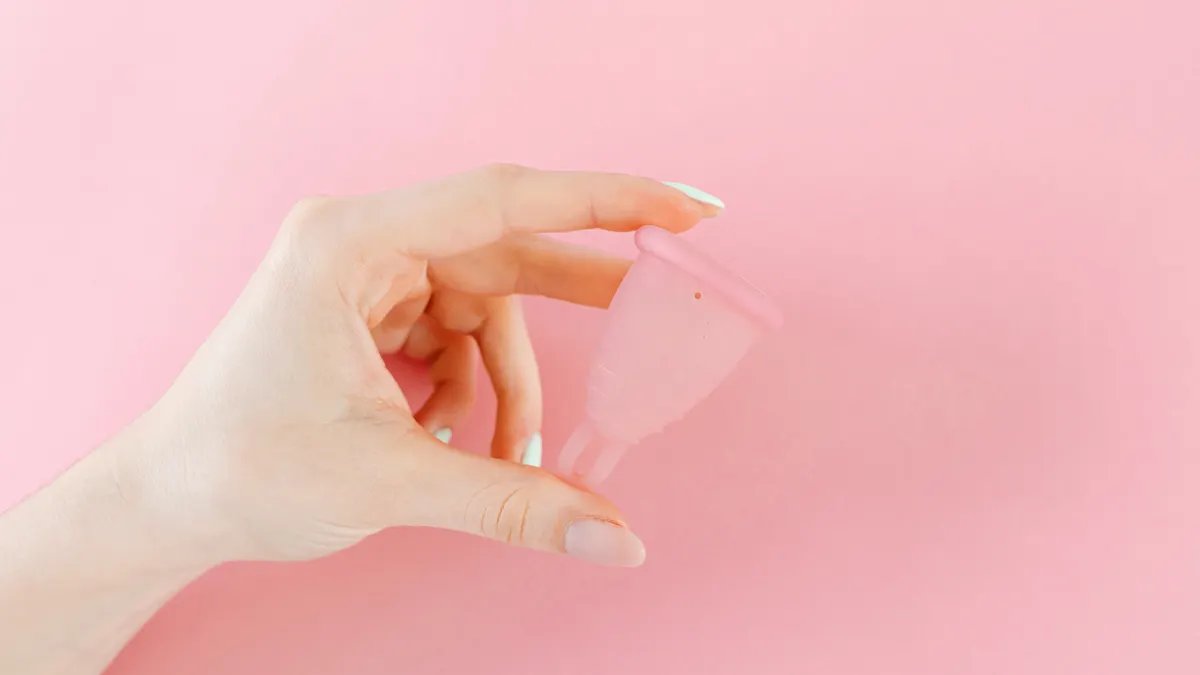
In short: common menstrual cup mistakes and how to fix them usually comes down to fit, placement, or seal, not a “bad cup.” If a cup leaks, hurts, or feels impossible to remove, the problem is often a small mistake that can be corrected in 1–3 tries once you know what symptom to look at.
Key takeaways
- Leaks usually mean the cup is not fully open, not sealed, or sitting in the wrong spot for your cervix.
- Pain often comes from a cup that is too high, too dry, or pressing on the vaginal walls or cervix.
- A cup that seems “stuck” is often just held by suction; relaxing the pelvic floor matters more than pulling harder.
- Lubricant, a different fold, and a few minutes of trial-and-error can fix many first-time problems.
- If the cup causes sharp pain, repeated pressure, or severe bleeding changes, stop and speak with a clinician.
The quickest way to diagnose menstrual cup trouble
Menstrual cup troubleshooting starts with the symptom, because the fix for leaking is not the same as the fix for discomfort. A cup can be perfectly fine and still fail if it sits 1–2 cm too low, opens against the wrong angle, or never forms a seal at all.
Use this short triage first:
- If it leaks within the first few hours, check the seal and position. A cup that rides too low, sits beside the cervix, or never fully pops open is the usual culprit.
- If it hurts on insertion or once it is in place, check for dryness, angle, and cup firmness. Too little lubricant or a cup that presses on the vaginal walls can make a cup feel wrong even when it is technically “in.”
- If it feels stuck, stop pulling on the stem. Suction is the usual problem, and the seal needs to be released before the cup moves.
- If it sits comfortably but still leaks, look at the cervix. A cervix that sits low or leans to one side can put the cup in the wrong place even when the cup itself is functioning normally.
That is the practical frame for the rest of this guide. It is also why the hub on menstrual cup basics and first-time setup should come first if you are still learning placement, because troubleshooting works best when the basics are already familiar.
Why your menstrual cup leaks and what to change first
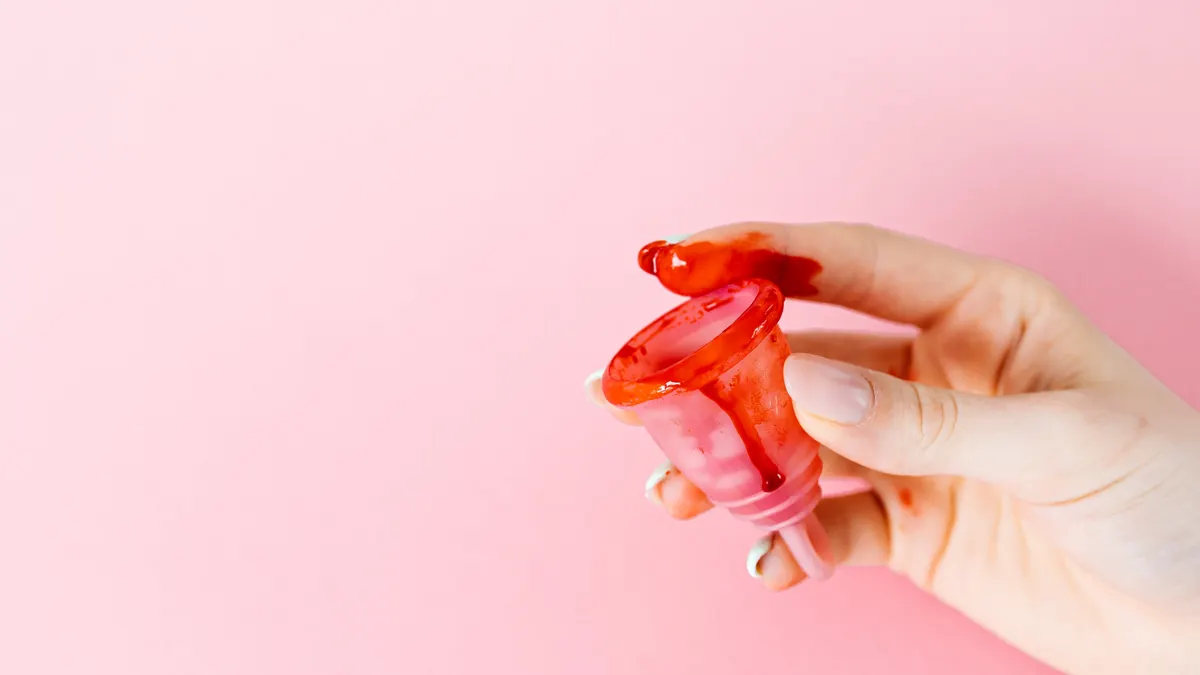
A leaking cup usually means the cup did not seal, did not open fully, or is not positioned under the cervix. That is the most common menstrual cup mistake because the cup can feel “in” while still missing the spot that catches flow.
The main mistakes are easy to mix up:
- The cup is folded but not opened. This often causes a slow leak or a sudden spill when you stand up.
- The cup sealed, but not around the cervix. If the cervix is beside the cup instead of inside it, blood can run past the edge.
- The cup sits too low. Even a few millimeters can matter if the stem is irritating or the upper rim is not sitting in the right channel.
- The cup is overfilled. That is less common early on, but on heavier days a cup may need emptying sooner than expected.
Try this order before blaming the cup itself:
- Empty the cup and reinsert it with a slight angle. Aim it toward the tailbone rather than straight up; the vagina is not a vertical tube.
- Rotate or move the base after insertion. A gentle twist or a small nudge upward can help the rim open and settle.
- Run a finger around the cup edge if you can. If you feel a dent, fold, or flat side, the cup is not fully open.
- Check where your cervix sits. If it is low, the cup may need to sit a little lower than you expected; if it is off-center, the cup may need to sit beside it rather than directly underneath.
- Empty sooner on heavy days. Some cups hold more than others, but no cup should be trusted to go all day if flow is heavy.
A useful rule: leaking that happens immediately after insertion usually means placement or opening; leaking that happens after several hours may mean filling. The difference matters because one needs a positioning fix and the other needs a schedule change.
This is also the place where many people blame firmness or size when the real issue is a seal that never formed. A good cup can still leak if it is parked in the wrong place.
My cup hurts or feels too low. What mistake am I making?
Pain usually means the cup is pressing where it should not, sitting too low, or being inserted too dry. A menstrual cup should not feel sharp, pinchy, or like a hard object dragging on the vaginal walls.
The most common errors are straightforward:
- No lubricant was used on a dry day. Even a small amount of water-based lubricant on the rim can reduce friction.
- The cup is too dry to move comfortably. After a few hours, some cups can feel sticky on removal; at insertion, dryness can make the rim scrape.
- The cup is sitting against the cervix. That can create a deep ache or a one-sided cramp.
- The stem is too long for your body. A stem is not supposed to be felt all the time. If it is poking, the cup may be too low.
- The pelvic floor is tense. Tight muscles can make the vagina resist insertion and can make a cup feel “too big” even when the cup is not the problem.
Here is the fix sequence that usually helps:
- Add lubricant to the rim, not the whole cup. A thin film is enough for the rim; too much makes handling slippery.
- Pause and breathe before inserting. A tense pelvic floor narrows the path and makes the cup feel larger than it is.
- Insert at a different angle. Pointing the cup toward the tailbone often feels better than aiming straight up.
- Let the cup sit lower if that matches your anatomy. Some people need the cup lower than they expected; comfort matters more than matching a diagram.
- Trim the stem only if the cup sits correctly and the stem is the problem. Trimming a stem on a cup that is already too high or too low can create a new issue.
If the pain is sharp, persistent, or accompanied by unusual bleeding, stop using the cup and speak with a clinician. A cup should not produce new pain every cycle.
How do I fix a cup that won’t open?
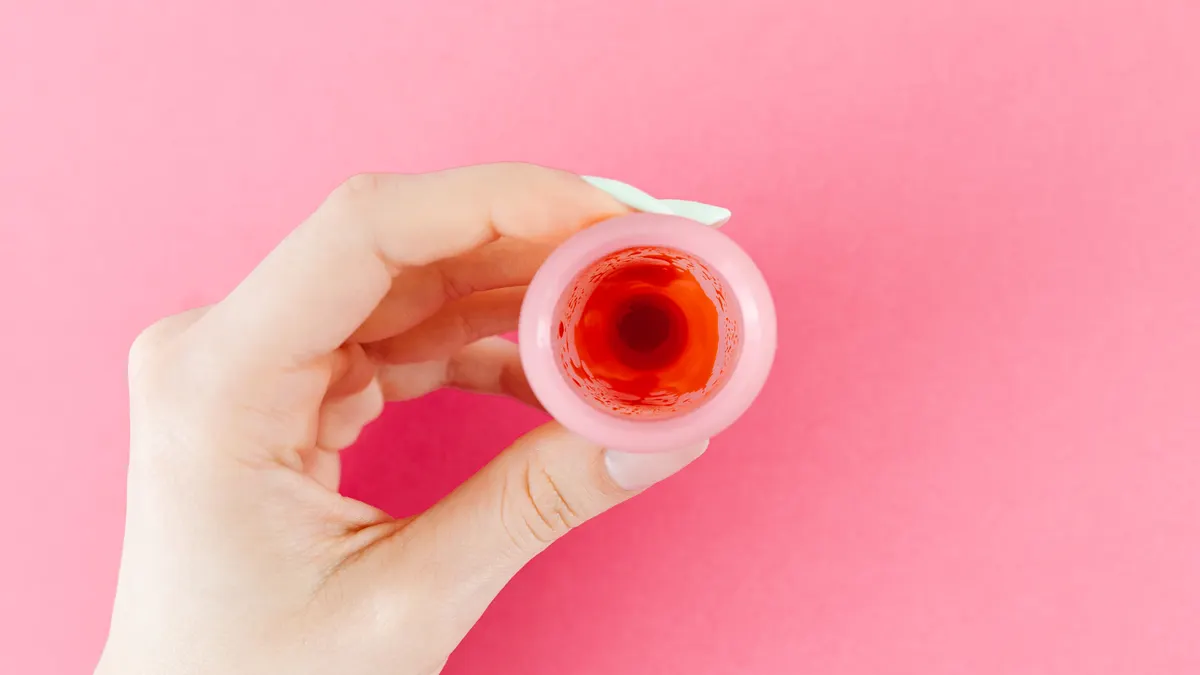
A cup that will not open usually needs more room, a different fold, or a small repositioning. This is one of the most frustrating menstrual cup mistakes because the cup can feel inserted while the seal never forms.
The problem is often mechanical:
- The cup is still pinched flat after insertion.
- The fold is too tight for the cup material.
- The cup is sitting too high for you to get enough leverage.
- The vaginal walls are pressing on the cup before it opens.
Try this procedure:
- Insert the cup only partway, then release it. Give it space to open before pushing it farther in.
- Use a different fold on the next attempt. A 7-fold, punch-down fold, or C-fold can behave differently; a firmer cup may need a fold that opens more easily.
- Pinch the base once it is inside. A small squeeze can encourage the rim to open.
- Rotate the cup a quarter turn. A 90-degree turn can help the rim pop out of a fold.
- Nudge the cup downward slightly, then back up. That change in pressure sometimes lets air in and helps the rim expand.
If the cup still refuses to open after a few tries, do not keep forcing it. Repeated pushing can make the pelvic floor tense and make the problem worse. Taking a 5-minute break and trying again is often more useful than ten rushed attempts.
A cup that opens but still leaks is a different problem; do not confuse the two. If it opens late in the day and then works, the issue was likely insertion mechanics, not a defective cup.
Why does removal get awkward even when the cup worked all day?
Removal gets awkward because many people forget that suction has to be released before the cup comes down. The mistake is usually pulling the stem first, which increases discomfort and can make the cup feel wedged even when it is not.
The safe, practical sequence is:
- Sit or squat where you can relax your abdomen. A toilet, shower floor, or a stable squat position can help gravity and muscle release.
- Bear down gently once or twice. A light push can move the cup lower without strain.
- Find the base, not just the stem. The stem is only a guide; the seal is released at the base or rim.
- Pinch the base to break suction. Once the seal is released, the cup usually moves much more easily.
- Rock the cup side to side as you lower it. That helps reduce discomfort and keeps the rim from catching.
If the cup seems impossible to move, the most common mistake is panic. Tense muscles pull the cup higher and make the seal stronger. A few slow breaths can matter more than extra force.
One real trade-off: a cup with a very short stem can be more comfortable during wear but may be harder to reach. A longer stem can be easier to locate but more noticeable. That is why “easy removal” is not just about the cup brand; it is about your anatomy and the depth of your cervix.
If you cannot break suction or you feel severe pain, stop and ask a clinician for help rather than forcing it.
The seal, cervix, and pelvic floor: the three details most people miss
The seal, cervix, and pelvic floor are the three things that decide whether a cup behaves like a cup or like a leaky piece of silicone. Most generic advice talks about “getting it in,” but troubleshooting depends on how these parts interact.
Start with the cervix. If it sits low during your period, the cup may need to sit lower than expected. If it leans to one side, the cup may need to be placed slightly off-center so the cervix is inside the cup’s opening. A cup that sits under the cervix without surrounding it can leak even when it is fully open.
Next is the seal. The rim has to make contact with the vaginal wall all the way around. If air can move in and out, blood can move out too. That is why a cup that feels comfortable may still fail if the seal is incomplete.
Finally, the pelvic floor. Tight pelvic floor muscles can narrow the space, make insertion painful, and make the cup open unevenly. Relaxation is part of the mechanics. A slow exhale, a squat, or waiting until you are less tense can change how the cup sits.
This is the most honest limitation of menstrual cup troubleshooting: some problems are not solved by technique alone. A cup that is consistently uncomfortable, even after adjusting angle, lubrication, and seal, may simply not match your anatomy or your current pelvic floor state. That does not mean menstrual cups are bad; it means this specific cup may not be the right fit right now.
For general reference on menstrual cups and practical use, the Mayo Clinic and the NHS both have patient-focused pages that can be helpful alongside this troubleshooting guide. They are not substitutes for individualized care if you have ongoing pain or unusual symptoms.
When the problem is not the cup
Not every menstrual cup problem is a technique problem. If symptoms are repeated and predictable across cycles, the issue may be anatomy, pelvic floor tension, or something unrelated to the cup.
Stop troubleshooting at home and get medical advice if you have any of these:
- severe pain with insertion or removal
- bleeding that is much heavier than your usual pattern
- pain that continues after the cup is removed
- repeated inability to insert or remove the cup without distress
- a sudden change in how your periods feel
That advice is especially important if you have known vaginal pain, a history of pelvic floor dysfunction, or a condition that already makes internal products uncomfortable. In those cases, forcing a cup to work is not a good goal.
A menstrual cup should fit your body, not train your body into tolerating pain. If a cup keeps leaking despite a correct seal check, or keeps hurting despite lubrication and angle changes, the honest answer may be to stop using that model and choose a different approach with a clinician’s guidance.
Why does my menstrual cup leak?
A menstrual cup leaks when the seal is incomplete, the cup is not centered under the cervix, or the cup has filled past its capacity. The fastest check is to empty it, reinsert it, and feel for a fully opened rim. If leaking happens within the first hour, think placement; if it happens later, think fill level.
Why is my menstrual cup uncomfortable?
A menstrual cup is uncomfortable when it is inserted too dry, sits too low, presses on the cervix, or is being worn while the pelvic floor is tense. A small amount of lubricant and a slower insertion angle often help. If the discomfort is sharp or does not ease after adjustment, the cup may not suit your anatomy.
Why is my menstrual cup not opening?
A menstrual cup is not opening because the fold is staying compressed, the vaginal walls are pressing it shut, or it has been inserted too quickly to pop open. Try releasing it partway, rotating it, or gently pinching the base to encourage it to open. If it still stays folded, a different fold may work better.
Drafted with AI; not yet reviewed by a person.