Remember that time you were on a road trip, and your period decided to arrive right in the middle of it? Dealing with pads or tampons in a public restroom isn’t fun, right? Or how about those moments you felt self-conscious at the gym, worrying about leaks? If this sounds familiar, you’re not alone. Many people experience similar period-related challenges. This post is for you. We’re going to explore how does a menstrual cup work, simplifying the process and busting some common myths. You’ll gain a better grasp of menstrual cups, empowering you to make informed choices about your period care and potentially enjoy a more comfortable and eco-friendly experience.
Key Takeaways
- Learn the fundamental mechanisms behind how a menstrual cup works.
- Understand the different types of menstrual cups available on the market.
- Discover the benefits of using a menstrual cup, like cost savings and reduced waste.
- Get step-by-step instructions on inserting, removing, and caring for your cup.
- Address common concerns and debunk misconceptions about menstrual cup usage.
- Find useful tips and resources to help you choose the best menstrual cup for your needs.
Unveiling How a Menstrual Cup Works
The core concept of a menstrual cup is straightforward yet effective. Think of it as a small, flexible cup inserted into the vagina to collect menstrual fluid. It’s not designed to absorb like a tampon or pad; instead, it creates a seal against the vaginal walls, preventing leaks. The design and materials play a key role in its function. This section will break down the essential components and the precise mechanics behind how does a menstrual cup work, ensuring you fully grasp its functionality.
The Basics of Menstrual Cups
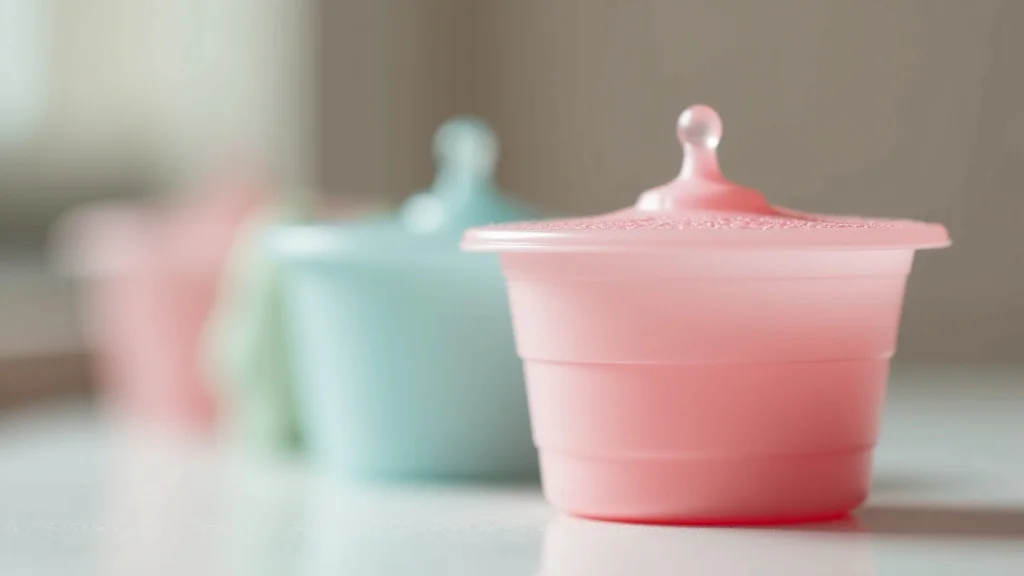
Menstrual cups are typically made from medical-grade silicone, rubber, or thermoplastic elastomers (TPE). These materials are chosen for their flexibility, durability, and non-reactivity with the body. The cup comes in various sizes and shapes to accommodate different body types and flow levels. Most cups have a stem at the bottom to assist with removal, while some have a smooth base. The bell-shaped part of the cup is the collection area, and the rim creates a seal against the vaginal walls. The size of the cup varies depending on the user’s age, whether they have given birth, and the heaviness of their flow.
-
Material Properties: The materials used in menstrual cups are crucial. Medical-grade silicone, for instance, is biocompatible and does not encourage bacterial growth, making it a safe choice for internal use. This inert nature helps reduce the risk of irritation or allergic reactions. Rubber and TPE offer similar properties but may vary in terms of flexibility and lifespan.
The primary characteristic of the material is to be body-safe. - Design Variations: Many types of cups exist, including bell-shaped, disc-shaped, and those with different firmness levels. Bell-shaped cups are the most common and are designed to sit lower in the vagina. Disc-shaped cups sit higher up and collect the fluid differently. Some cups have textured surfaces for easier insertion and removal, while others have unique features like removal rings or stems.
- Size Considerations: The size of the menstrual cup affects comfort and effectiveness. Smaller cups are often recommended for younger users or those who haven’t given birth, while larger cups are typically recommended for those who have had children or have a heavier flow. The size selection also depends on the length of the vaginal canal, with shorter cups ideal for shorter canals.
- Durability and Lifespan: A menstrual cup can last several years with proper care. The durability of the cup makes it a more cost-effective option than disposable products over time. Regular inspection of the cup is essential. Checking for any cracks or tears is an important part of the maintenance to ensure safe usage.
The Insertion Process
are various folding techniques, such as the “punch-down fold,” the “C-fold,” and the “seven-fold.” Once folded, the cup is inserted into the vagina, aiming towards the back. Upon insertion, the cup should pop open, creating a seal. Correct insertion and seal formation are key factors in how does a menstrual cup work to prevent leaks.
-
Folding Techniques Explained:
- The “C-fold” involves flattening the cup and folding it in half to form a “C” shape. This is an easy method for beginners.
- The “punch-down fold” involves pushing one side of the cup inward, creating a smaller, more pointed insertion shape. This helps with easier insertion.
- The “seven-fold” is a more advanced technique that creates a small, tight insertion point. It’s often preferred by those who have mastered the cup insertion process.
- Lubrication and Comfort: To enhance the insertion experience, using a water-based lubricant on the rim of the cup can improve comfort. This reduces friction and makes insertion smoother. Lubrication can be essential, especially for people who are new to menstrual cups or those who experience vaginal dryness.
- Finding the Right Angle: Inserting the cup at the correct angle is crucial. The cup should be directed toward the back of the vagina, not straight up. This ensures the cup sits correctly and creates a seal. The angle may need to be adjusted slightly depending on your anatomy.
- Checking for a Seal: After should be no leaks if a seal is formed.
How the Collection Works
Once the cup is correctly inserted and sealed, it collects the menstrual flow. The cup’s capacity varies depending on the size, ranging from approximately 10 to 30 milliliters. The cup needs to be emptied periodically, usually every 8-12 hours, but it depends on the flow. The frequency of emptying the cup affects the convenience and the ability of how does a menstrual cup work for each individual.
-
Flow Rate and Capacity:
The flow rate varies from person to person. A heavier flow will require more frequent emptying. Understanding your flow and choosing the appropriate cup size is important. Using a smaller cup for a heavier flow will result in the necessity to empty more often. - Internal Environment: The menstrual cup does not absorb menstrual fluid; it merely collects it. This collection method helps maintain the natural moisture balance in the vagina. This is unlike tampons, which can absorb moisture and may cause dryness. Maintaining the natural environment helps with comfort.
- Avoiding Leaks: Proper insertion and a good seal are critical for preventing leaks. If leaks occur, it may mean the cup isn’t sealed correctly, or it’s full. Re-inserting the cup after making sure it’s unfolded will usually solve the problem.
- Removal and Emptying: The cup should be emptied, rinsed, and reinserted. The process involves breaking the seal (by pinching the base of the cup), gently pulling the cup down, and emptying the contents into the toilet or sink. The cup should then be washed with warm water and mild soap before reinsertion.
Menstrual Cups: Benefits and Advantages
The benefits of using a menstrual cup extend beyond simply collecting menstrual fluid. They encompass environmental, financial, and health aspects. Understanding these advantages can significantly influence the choice of period care products. Let’s delve into the various benefits to see how these factors impact how does a menstrual cup work in a holistic way.
Environmental Impact and Sustainability
One of the primary advantages of menstrual cups is their eco-friendliness. Unlike tampons and pads, which are single-use and contribute to landfill waste, menstrual cups are reusable. They can last for several years, greatly reducing the environmental burden. This feature makes menstrual cups a strong contender for those trying to reduce their ecological footprint. The environmental advantages reflect a shift toward more sustainable period care options.
- Reducing Waste: Using a reusable menstrual cup eliminates the need for disposable pads and tampons, which often end up in landfills. Over a lifetime, this can make a significant reduction in waste. The cup will require washing.
- Resource Conservation: The production of disposable menstrual products consumes considerable resources, including cotton, plastic, and packaging materials. Menstrual cups require fewer resources, helping to conserve these resources. Manufacturing materials, packaging and shipping all affect the environmental footprint.
- Chemical Exposure: Pads and tampons sometimes contain chemicals and fragrances that can cause irritation. Menstrual cups are usually made of medical-grade silicone, which is inert and non-reactive, decreasing the chances of exposure to harmful chemicals. There is less worry about any chemicals, bleaches or fragrances.
- Long-Term Sustainability: The long lifespan of menstrual cups makes them a very sustainable choice. One cup can replace thousands of tampons or pads over its life, promoting a more eco-conscious period care routine. Sustainability reflects the environmental advantages of choosing cups.
Financial Savings
The initial cost of a menstrual cup may seem higher than the cost of disposable products. However, the long-term financial benefits make it a worthwhile investment. Over time, the cost of purchasing pads or tampons can accumulate. By contrast, a menstrual cup can save a lot of money because of its reusable nature. Financial savings are a significant element in how does a menstrual cup work to benefit users, improving affordability for years to come.
- Comparing Costs: The cost of pads and tampons, combined with their monthly need, will exceed the one-time purchase of a cup. Over several years, the cost savings can be very significant. The cost for disposable products compounds with each period.
- Long-Term Investment: Menstrual cups have an average lifespan of 5-10 years, which means that the initial investment will pay off over time. This makes cups a smart financial option compared to ongoing purchases. This factor makes the cup an economical option.
- Reduced Shopping Frequency: The convenience of not having to purchase disposable products every month saves both money and time. Less shopping time offers more convenience, and helps streamline period care.
- Accessibility: Menstrual cups are available online and in many stores. This makes the ability to purchase easier, and a more accessible option for consumers. It is simple to start using them once you decide to purchase.
Health and Hygiene Advantages
Beyond environmental and financial benefits, menstrual cups also offer advantages related to health and hygiene. The materials and the collection method can lead to a healthier experience. These include reducing the risk of certain infections and providing more comfort. The hygienic benefits are a critical aspect of how does a menstrual cup work, contributing to its popularity.
- Reduced Risk of Infections: Menstrual cups, being made of non-absorbent materials, don’t harbor bacteria as easily as tampons. This can lower the risk of toxic shock syndrome (TSS) and other infections. This is due to the non-absorbent material.
- Comfort and Convenience: Cups don’t cause dryness because they don’t absorb natural vaginal moisture. Many users find them more comfortable than tampons and experience fewer leaks when properly inserted. The absence of dryness and less discomfort makes cups more popular.
- Odor Control: By collecting the menstrual fluid rather than absorbing it, cups help to reduce odor. This results in greater comfort. The collection method aids in reducing any odor.
- Internal Use: There’s no interference with the vaginal environment. Cups avoid any irritation that pads or tampons may cause, promoting a healthier environment. This lessens irritation, which provides comfort.
Choosing and Using the Right Menstrual Cup
Selecting the correct menstrual cup involves considering multiple factors, including size, material, and firmness. The process also includes understanding insertion, removal, and cleaning. Careful selection and proper use contribute significantly to its effectiveness and user satisfaction. The right choice is important to achieve the desired outcome of how does a menstrual cup work seamlessly and comfortably.
Selecting the Right Cup
Choosing the best menstrual cup involves some initial research. It’s important to think about the size, shape, and material. There are different sizes for users of different ages and for those who have given birth. The cup’s material can affect comfort and ease of use. Choosing the right cup is vital for a good experience. These steps allow you to get the maximum benefit from how does a menstrual cup work.
-
Cup Size: Most companies offer two sizes: one for those who haven’t given birth vaginally or who are under 30, and a larger size for those who have given birth or are over 30. Size also depends on flow.
If you have a heavier flow, a larger size may be better. - Cup Firmness: Cups range from soft to firm. Softer cups are often more comfortable but may be harder to open and create a seal. Firmer cups open more easily but may exert pressure on the bladder. The choice should reflect your comfort preference.
- Material Selection: Medical-grade silicone is the most common material due to its flexibility, durability, and safety. There are also cups made from rubber or TPE. Check if you have allergies to any of these materials.
-
Shape and Features: Some cups have a bell shape, and some are disc-shaped. Some have a stem and others have a smooth base. Stem length and shape preferences vary, affecting the ease of removal.
Consider the features to suit your needs.
Insertion and Removal Techniques
The insertion and removal processes are very important. Practice makes the process easier. Start with folding the cup using one of the folding techniques (C-fold, punch-down fold, or seven-fold) before insertion. Removing it involves breaking the seal and pulling the cup out. Learning the correct techniques helps ensure that how does a menstrual cup work without any problems.
-
Folding Methods:
The C-fold is a good starting point for beginners. The punch-down fold can create a more compact insertion point. The seven-fold is an advanced technique, so try the others first. Experiment with different folds to see which works best for you. -
Insertion Steps: Lubricate the rim of the cup with a water-based lubricant to ease insertion. Relax your muscles. Insert the folded cup into the vagina, aiming towards the back. Check to see if it has opened and created a seal.
Making sure it opens is important. -
Removal Steps: Wash your hands. Squat, sit, or stand in a comfortable position. Break the seal by pinching the base of the cup, then gently pull it down. Slowly remove the cup. Don’t just pull it out without breaking the seal.
The seal needs to be broken first. -
Troubleshooting: If you find it hard to remove the cup, relax, and try again. Don’t pull forcefully. If the cup won’t open after insertion, rotate it or gently push it in until it pops open.
Use lubrication as needed.
Cleaning and Care Tips
Proper cleaning and care are important for hygiene and maintaining the cup’s longevity. Before each use, wash the cup with mild soap and hot water. Sterilization should be performed at the end of each cycle. Proper maintenance is essential for ensuring that how does a menstrual cup work safely and effectively.
- Daily Cleaning: After removing and emptying the cup, wash it with mild, unscented soap and warm water. Rinse thoroughly. This helps get rid of any residue. Ensure it’s clean before reinserting.
-
Sterilization: Sterilize the cup at the end of each cycle. You can boil it in a pot of water for 5-10 minutes, use a cup sterilizer, or use sterilizing tablets.
Sterilization kills bacteria. -
Storage: When not in use, store the cup in a breathable pouch. Don’t store it in a sealed container or plastic bag.
Allow the cup to air out. -
Lifespan and Replacement: Inspect the cup regularly for any signs of damage like cracks or tears. Replace it if needed. The cup should last for several years.
Check the cup often.
Common Myths Debunked
There are many myths and misconceptions surrounding menstrual cups. This section clarifies these to provide accurate information and ease any concerns. Busting these myths can help potential users make informed decisions. Addressing these misconceptions enables a clearer picture of how does a menstrual cup work.
Myth 1: Menstrual Cups Are Difficult to Use
Many people assume that menstrual cups are difficult to use, but this isn’t always true. While there is a learning curve, most users get comfortable with are many online resources and guides to help with the process. The process can seem difficult at first, but it is not.
Myth 2: Menstrual Cups Are Unhygienic
This is a common misconception. Menstrual cups, when cleaned and sterilized correctly, are a very hygienic option. Medical-grade silicone is non-porous and doesn’t harbor bacteria. By regularly cleaning and sterilizing the cup, users minimize the risk of infection. The reality is that cups are very hygienic.
Myth 3: Menstrual Cups Are Messy
Although leaks can happen if the cup isn’t correctly inserted or sealed, the cups are designed to minimize mess. With practice, users can learn how to insert and remove the cup without spills. Taking it slow is the key. Proper technique makes the cups clean.
Myth 4: Menstrual Cups Can Get Lost Inside the Body
The vagina is not a bottomless pit. The cervix blocks the cup from moving further up. The cup is designed to be easily accessible. The stem is designed for removal. The cup can’t travel past the cervix.
Myth 5: Menstrual Cups Are Not Suitable for People with Specific Conditions
Most people can use menstrual cups safely. However, those with certain conditions should consult their doctor. Conditions such as endometriosis may have specific considerations. Always consult with a healthcare provider to ensure a cup is suitable for your situation. Consult a medical expert.
Frequently Asked Questions
Question: Can I use a menstrual cup if I have an IUD?
Answer: It is generally safe to use a menstrual cup with an IUD, but you should discuss this with your doctor to ensure that it’s suitable for you.
Question: How often should I empty the menstrual cup?
Answer: Usually, you can empty the cup every 8-12 hours, depending on your flow. You may need to empty it more often if you have a heavier flow.
Question: Can I sleep with a menstrual cup?
Answer: Yes, you can. In fact, many users appreciate not having to change products overnight. The cup offers leak protection.
Question: How do I remove a stubborn menstrual cup?
Answer: Relax, and try to break the seal by pinching the base of the cup before removing it. Rotate the cup if needed. Consult resources if problems persist.
Question: Can a menstrual cup tear or damage the vaginal walls?
Answer: If used and inserted correctly, menstrual cups are unlikely to damage the vaginal walls. Cups made of medical-grade silicone are designed to be safe.
Final Thoughts
Exploring how does a menstrual cup work unveils a period care option with notable benefits, from environmental advantages to financial savings and health considerations. It’s a method that collects menstrual flow internally, offering leak protection and convenience. Understanding the insertion, removal, and cleaning processes is the key to comfort and effectiveness. Choosing the right cup and knowing how to care for it maximizes the benefits. If you’re looking for a more eco-friendly and comfortable way to manage your period, menstrual cups offer a good alternative. Begin with research, select the right cup for your body, and don’t be afraid to experiment. The results may surprise you, leading to a more pleasant and convenient experience.