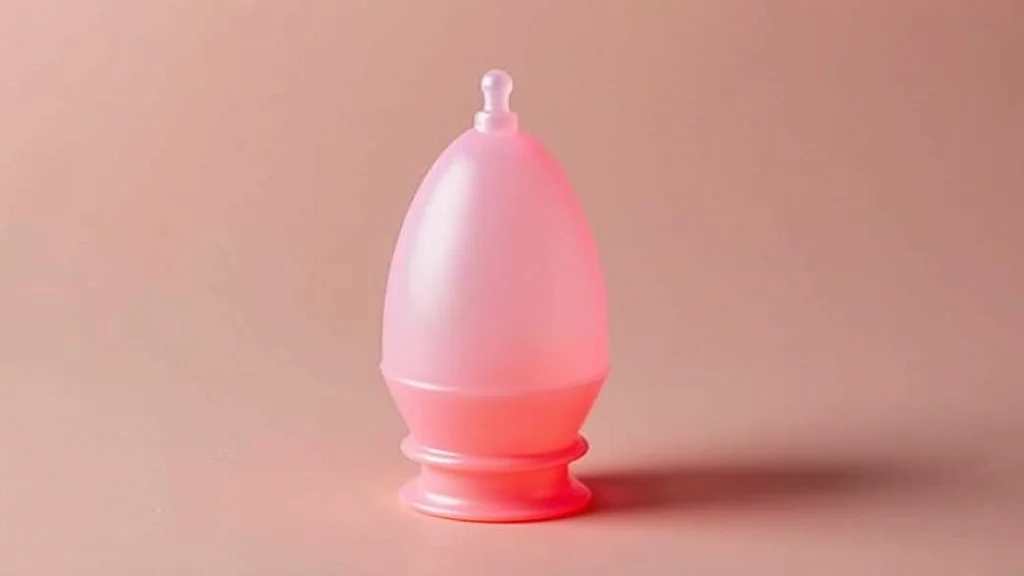
Remember that time you were on a trip and your period decided to crash the party? Dealing with pads and tampons in a public restroom is less than ideal. You’ve heard about menstrual cups, but the idea of inserting one feels intimidating. You’re not alone! This guide breaks down everything you need to know about how to insert a menstrual cup, making the process simple and stress-free. By the end, you’ll feel confident and informed, ready to experience the comfort and benefits this amazing product offers. This guide provides clear, step-by-step instructions so you can feel comfortable about trying it out.
Key Takeaways
- Learn the different methods for folding a menstrual cup for easy insertion.
- Discover how to choose the right cup size and material for your body.
- Gain confidence in inserting and removing a menstrual cup pain-free.
- Understand how to care for your cup for optimal hygiene and longevity.
- Explore the benefits and potential drawbacks of using menstrual cups.
- Get tips for troubleshooting common issues and making the most of your cup.
Choosing the Right Menstrual Cup for You
Before you begin, selecting the correct menstrual cup is a very important step. Like finding the perfect shoe size, the best cup depends on your individual needs. This includes considerations like your age, whether you’ve given birth, your flow heaviness, and your cervix position. Choosing the right size and type will significantly affect your comfort and overall experience. If the cup is too big, it might cause discomfort or leaks, while a cup that is too small might not hold enough fluid or won’t seal properly. There are numerous brands and options available. Take your time to select the right one to fit your needs.
Understanding Cup Materials
Menstrual cups come in two main materials: medical-grade silicone and TPE (thermoplastic elastomer). Silicone is very popular because it’s soft, flexible, and doesn’t harbor bacteria, making it easy to clean. TPE is a latex-free alternative that is also known for its durability and hypoallergenic properties, making it a suitable option for people with sensitivities to silicone. Both materials are safe for internal use and designed to be body-friendly. Make sure to check the manufacturer’s instructions for the specific care and usage of your chosen cup. Selecting a cup made of safe materials is essential to protecting your health and well-being. This will prevent any adverse reactions and ensure a worry-free experience.
- Medical-Grade Silicone: This is the most common material. It is a smooth, hypoallergenic, and flexible option, making insertion and removal easier. It is typically very durable.
- Thermoplastic Elastomer (TPE): Another safe choice, TPE is latex-free, making it a great option for people with latex allergies. TPE cups are often softer than silicone cups, so they can offer greater comfort.
- Considerations: Ensure that the chosen material is approved for internal use and is free of harmful chemicals. Many cups also come in different firmness levels. If you are uncertain, you can always consult your gynecologist to get advice.
Selecting the Right Size
Menstrual cups come in various sizes, usually designated as size A (or small), size B (or large), and sometimes a teen size. Generally, if you’re under 30 and haven’t given birth vaginally, a smaller size is typically recommended. If you’re over 30 or have given birth, a larger size might be a better fit. Your flow heaviness can also be a factor. People with heavier periods may prefer a larger cup to hold more fluid. Always consult the manufacturer’s size guide and consider your specific needs. Incorrect sizing could cause discomfort, leaks, and an overall unsatisfactory experience. Take your time when selecting the correct size to make sure that you have a positive experience.
- Size A/Small: Generally for those who have not given birth vaginally and are under 30. Often holds less fluid.
- Size B/Large: Best for those who have given birth vaginally or are over 30. Designed to hold more fluid.
- Teen Sizes: Smaller cups are available for younger people or those with a very light flow.
- Considerations: Some companies offer questionnaires to help you select the ideal size. Review the sizing chart provided by the manufacturer.
Preparing for Insertion: Tips and Tricks
Before your first time, preparation is key. Washing your hands thoroughly with soap and water is very important before handling your cup. Ensure your cup is clean too; many brands suggest sterilizing it by boiling it in water for a few minutes before the initial use, and between cycles. Find a comfortable position. Experimenting with different positions can make insertion easier. You might sit on the toilet, stand with one leg elevated, or squat. Consider using a water-based lubricant to assist with insertion if you’re experiencing difficulty. Lubricant helps the cup slide more easily into the vagina. It can make the process less stressful. A little practice and patience are the recipe for success.
Cleaning and Sterilizing Your Cup
Hygiene is very important when it comes to your menstrual cup. Before your first use, boil your cup in clean water for 5-10 minutes. This ensures that the cup is sterile. During your cycle, wash your cup with mild soap and water after each removal. Do not use harsh soaps, as they can damage the material or leave residue. Some people prefer to sterilize their cup at the end of each cycle. Ensure the cup is thoroughly dry before storing it in its pouch or a breathable container. Following these simple steps will extend the life of your cup and prevent infections. Proper cleaning and sterilization will ensure a safe and effective experience.
- Boiling: Sterilize your cup before the first use and at the end of each cycle by boiling it in water for 5-10 minutes.
- Washing: During your period, wash the cup with mild soap and water after each removal. Rinse thoroughly.
- Storage: Allow the cup to dry completely before storing it in a breathable pouch or container. Avoid airtight containers.
- Avoid: Do not use harsh soaps, scented soaps, or oils, as they can damage the cup. Do not store the cup in a plastic bag.
Finding the Right Position
Finding a comfortable position for insertion can make the process a lot easier and less stressful. Experiment with a few positions until you find one that works best for you. Some common positions include squatting, sitting on the toilet, or standing with one leg raised on the edge of the tub or toilet. Squatting usually opens the vaginal canal, making it more accessible. Sitting can be very relaxing and provides good control. Standing can give you better leverage. Try several positions to find what makes you the most comfortable and confident. Remember, the goal is to make the process as stress-free as possible.
- Squatting: This position widens the vaginal canal, creating space for the insertion of the cup.
- Sitting: Sitting on the toilet can feel less intimidating for some.
- Standing: Standing with one leg elevated can give you a better angle.
- Experimentation: Try different positions to find the one that feels most comfortable for you.
Mastering Insertion Techniques
Knowing how to you flatten the cup and fold it in half, creating a C shape. The “Punch-Down Fold” involves pushing one side of the cup down into the center, making a smaller, more compact shape. The “7-Fold” folds the cup diagonally to form a small, pointed shape. Practice each fold before you are on your period. This will build your confidence. Once the cup is folded, hold it firmly and gently insert the folded edge into your vagina, aiming towards your tailbone. Once the cup is inside, the cup will automatically unfold and create a seal, preventing leaks. You can always try rotating the cup to help ensure it’s fully open. These simple techniques can make insertion easier.
Folding Techniques
Several folding techniques exist to make inserting the cup simpler. The C-fold involves flattening the cup and folding it in half to form a C shape. This is the simplest fold. The punch-down fold involves pushing one side of the cup down into the center. This creates a smaller shape, which may be more comfortable for those with a tighter vaginal canal. The 7-fold starts similarly to the C-fold, but then you fold each side down to form a small, pointed shape. The choice of fold is a personal preference. It may depend on the size of the cup, your anatomy, and your comfort level. Experiment to see which one works best.
- C-Fold: Flatten the cup and fold it in half, creating a “C” shape. Easy for beginners.
- Punch-Down Fold: Press one side of the cup down into the center to create a smaller point.
- 7-Fold: Fold the cup diagonally, then fold the corners inward to create a narrow tip.
- Experimentation: Try a few methods to find one that feels the most comfortable.
Step-by-Step Insertion Guide
The insertion process involves several key steps. After folding your cup using your chosen method, relax and gently insert the folded rim of the cup into your vagina. The angle should be toward your tailbone. Once the cup is inside, it should pop open. You can gently rotate the cup or move your fingers around the base to ensure that it has fully opened. If you feel any discomfort or resistance, try re-inserting the cup. Ensure that the cup is placed correctly. Your fingers should be able to reach the base of the cup to make removal easy. With practice, you’ll become more comfortable with the process, making it a routine. Be patient and give yourself time to get used to the technique.
- Wash your hands thoroughly and sterilize your cup.
- Fold the cup using your preferred method.
- Relax and insert the folded rim of the cup into your vagina. Angle it towards your tailbone.
- Once inside, the cup should pop open. Rotate the cup if needed.
- Gently tug on the base of the cup to ensure it has formed a seal.
- If discomfort occurs, remove and reinsert the cup, checking for correct placement.
Ensuring a Proper Seal and Preventing Leaks
Ensuring that your menstrual cup forms a good seal is essential to preventing leaks and ensuring a comfortable experience. After s to your vaginal walls, creating a tight seal. Run your finger around the base of the cup to make certain that the entire rim has opened. If you feel any dents or folds, the cup has not opened completely. You can also try gently tugging on the stem of the cup. If there is resistance, it means that a seal has formed. If you have any leaks, remove the cup, rinse it, and reinsert it. Take your time, and with some patience, you’ll develop confidence in creating a secure seal.
Checking for a Proper Seal
After is a seal, you can proceed with your daily activities without the worry of leaks. With practice, you will learn to feel when the cup is seated correctly, and you won’t have to check it as often.
- Gently Tug: After insertion, gently pull on the stem of the cup. Resistance means a seal is present.
- Finger Check: Insert your finger around the base of the cup to feel for any folds or gaps.
- Rotate: Rotate the cup to ensure it opens completely and seals against the vaginal walls.
- Experience: With practice, you’ll become more familiar with the sensation and feel confident that the cup is sealed.
Troubleshooting Leaks
If you experience any leaks, don’t worry—it’s very common when you start. First, check that the cup is inserted correctly and has formed a seal. Remove the cup, rinse it with water, and reinsert it, paying close attention to its placement and the folding technique. If leaks persist, consider trying a different folding technique to help the cup open completely. Ensure the cup is not sitting too high or too low. You may also need a different size or brand of cup to achieve a better fit. Remember that some initial leaks can happen. With some adjustments, you can fix the issue. Don’t feel discouraged; persistence is key to enjoying the benefits of a menstrual cup.
- Check Insertion: Make sure the cup is inserted correctly, with the rim fully open and sealed against the vaginal walls.
- Try a Different Fold: Experiment with different folding techniques.
- Re-insert: Remove, rinse, and reinsert the cup, paying careful attention to placement.
- Consider Size or Brand: If leaks persist, you may need a different size or brand.
Removing Your Menstrual Cup: A Step-by-Step Guide
The removal process may seem scary at first, but with practice, it becomes easy and quick. First, wash your hands thoroughly. Find a comfortable position, like squatting or sitting on the toilet. Gently pinch the base of the cup to release the seal. Pulling directly on the stem can create discomfort. Once the seal is broken, gently wiggle the cup from side to side as you slowly pull it out. Be patient, take your time, and go slowly to avoid any spills. When the cup is out, pour the contents into the toilet, rinse it with water, and reinsert it. This simple technique takes a few tries to master. After a few cycles, you’ll feel confident and comfortable with the process.
Breaking the Seal for Pain-Free Removal
The key to pain-free removal is breaking the seal first. Pinch the base of the cup firmly to release the suction. Do not pull on the stem alone, as this can be uncomfortable and cause leaks. Once the seal is broken, you can gently wiggle the cup from side to side as you slowly pull it down and out. This releases the pressure and prevents any discomfort. By following this method, you can make the removal process safe and comfortable. Be patient, take your time, and trust the process. You’ll master the technique in no time.
- Wash Hands: Always wash your hands thoroughly before removal.
- Pinch the Base: Gently pinch the base of the cup to release the seal.
- Gently Wiggle: Slowly wiggle the cup from side to side as you pull it out.
- Avoid Pulling on Stem: Do not pull the cup out only by the stem.
Cleaning and Caring for Your Cup After Removal
After removing your cup, you must clean it thoroughly before re-inserting it. Rinse the cup with cold water first to prevent stains. Then, wash it with mild, unscented soap and warm water. Make sure to rinse off any soap residue. After each removal during your cycle, clean the cup and reinsert it. Sterilize the cup at the end of your cycle by boiling it in water for 5-10 minutes. This will kill any bacteria. Proper cleaning will ensure the cup’s longevity and your personal hygiene. By following a consistent cleaning routine, you’ll keep your cup in good condition and ensure its long-term use.
- Rinse: Rinse the cup with cold water first, then wash it with mild soap and warm water.
- Rinse Again: Rinse thoroughly to remove any soap residue.
- Sterilize: Sterilize the cup by boiling it for 5-10 minutes at the end of each cycle.
- Store Properly: Store the cup in a breathable pouch or container.
Menstrual Cup Benefits, Drawbacks, and Alternatives
The menstrual cup offers many benefits over traditional period products. They are reusable, which makes them very cost-effective over time. This makes them a more environmentally friendly choice because they create less waste. They can hold more fluid than tampons, providing longer-lasting protection. Many people find them comfortable and discreet. However, there are also some drawbacks to consider. Insertion can take practice. Learning how to properly clean and care for the cup can seem like an added step. But by understanding both the pros and cons, you can decide whether a menstrual cup is the right choice for you. With practice, you can find the cup to be a very reliable, convenient, and eco-friendly option.
Advantages of Using Menstrual Cups
There are many reasons why people choose to use a menstrual cup. One of the main benefits is the cost savings. They are reusable and can last for several years with proper care, so you save money over time. This makes them more eco-friendly. Menstrual cups are very convenient when you travel. They provide very long-lasting protection. They are less likely to cause irritation or dryness. These products are usually made of safe materials, which are also often free of chemicals. Many people love that the cups are discreet. By taking the time to learn how to use a menstrual cup, you can experience its many benefits.
- Cost-Effective: Reusable and saves money compared to disposable products.
- Eco-Friendly: Reduces waste and is better for the environment.
- Long-Lasting Protection: Can be worn for up to 12 hours.
- Comfortable: Designed to provide a comfortable fit.
- Healthier: Often made from medical-grade silicone or TPE and free of harmful chemicals.
Potential Drawbacks and Challenges
While menstrual cups offer many benefits, there are also a few drawbacks to keep in mind. The learning curve for insertion and removal can be a challenge. It takes time and practice to become comfortable with the process. Cleaning and maintaining the cup can be more work than using disposable products. Some people may be hesitant to handle menstrual blood. Others may find it difficult to insert or remove in public restrooms. It’s important to weigh these potential challenges against the benefits. Some find that with some practice, many of the challenges become manageable. You can also explore different options. It’s best to be aware of the pros and cons to see if they fit your needs.
- Learning Curve: Insertion and removal can take practice.
- Cleaning: Requires careful cleaning and sterilization.
- Mess: Some people find removal can be messy.
- Public Restrooms: Can be challenging to insert or remove in public restrooms.
- Individual Preference: Not everyone finds them comfortable.
Menstrual Cup Alternatives
Several alternatives exist to menstrual cups, which can be helpful if you’re unsure or are looking for other options. Traditional pads are an easy and familiar option. Tampons are another common choice. For those seeking reusable options, period underwear offers a comfortable and absorbent alternative. Menstrual discs are a newer option, offering a different design and function. The best choice is the one that fits your personal comfort, lifestyle, and needs. Explore different products and decide what feels best. Every person’s period experience is unique. Some trial and error may be needed.
- Pads: Provide a familiar and easy-to-use option.
- Tampons: Another widely used product, providing internal protection.
- Period Underwear: Reusable, absorbent underwear offers comfort and discretion.
- Menstrual Discs: A different design, often more comfortable for some people.
- Consideration: Each option has its own pros and cons.
Common Myths Debunked
Myth 1: Menstrual Cups Are Difficult to Insert
Many people think are different folding techniques to help. Lubricant can also ease insertion. With a bit of practice and an open mind, most people find that insertion becomes easy and quick.
Myth 2: Menstrual Cups Are Messy
The idea of handling menstrual blood can be a deterrent for some. While there may be some initial mess during removal, with practice, you will develop a technique to minimize spills. Always empty the contents of the cup in the toilet, rinse it with water, and reinsert it. This is usually very easy and you will get the hang of it.
Myth 3: Menstrual Cups Are Unhygienic
Contrary to the myth that menstrual cups are unhygienic, they are usually very safe to use. Menstrual cups are made from medical-grade materials that don’t harbor bacteria. By washing your hands before inserting and removing the cup and cleaning it between uses, you can maintain excellent hygiene. Sterilizing the cup after each cycle also minimizes any risk. If you keep the cup clean, you can use it without worry.
Myth 4: Menstrual Cups Can Get Lost Inside Your Body
Some people worry that the menstrual cup will get lost or stuck. It’s important to understand that the vagina is not a bottomless pit, and the cup cannot travel past the cervix. The stem of the cup is designed to make removal easier. In worst-case scenarios, your healthcare provider can easily remove it. This will help you know the location of the cup.
Myth 5: Menstrual Cups Aren’t Suitable for Heavy Flows
While this is incorrect, some people worry about heavy flows. Menstrual cups come in different sizes, including those designed to hold a lot of fluid. Because they can hold more blood than other menstrual products, the cups are a great option for people with heavier periods. They will provide protection for up to 12 hours. The ability to monitor how quickly the cup fills up can also give you insight into your flow.
Frequently Asked Questions
Question: How often do I need to empty my menstrual cup?
Answer: This depends on your flow, but most cups can be worn for up to 12 hours. You’ll likely need to empty it more frequently on heavier flow days.
Question: Can I use a menstrual cup if I have an IUD?
Answer: It’s best to consult your healthcare provider. Some doctors advise against it to prevent accidental IUD removal. The cup can create suction, which may displace the IUD.
Question: Can I sleep with my menstrual cup in?
Answer: Yes, you can sleep with your menstrual cup in. You can wear it for up to 12 hours. This provides a worry-free experience overnight.
Question: Can I have sex with a menstrual cup?
Answer: No, the menstrual cup must be removed before penetrative sex. This is because the cup sits inside the vagina and will obstruct intercourse.
Question: What if my cup leaks?
Answer: If your cup leaks, it may not be inserted correctly, the seal may not be formed, or you may need a different size. Remove the cup, reinsert it, and ensure a proper seal.
Final Thoughts
Deciding how to insert a menstrual cup is a big step, but it’s one that can significantly enhance your comfort, save money, and contribute to a more sustainable lifestyle. Remember that practice is essential. Experiment with different folding techniques and insertion positions to find what works best for your body. Be patient with yourself; it might take a few cycles to get the hang of it. Once you find a comfortable method, you’ll feel confident and comfortable. Feel empowered to explore this innovative menstrual care option. You’ll not only embrace a product that prioritizes your comfort, but you will join a growing community that is prioritizing their health and a more eco-conscious lifestyle. Take that first step and see the difference a menstrual cup can make. This method will likely change your approach to your monthly cycle.