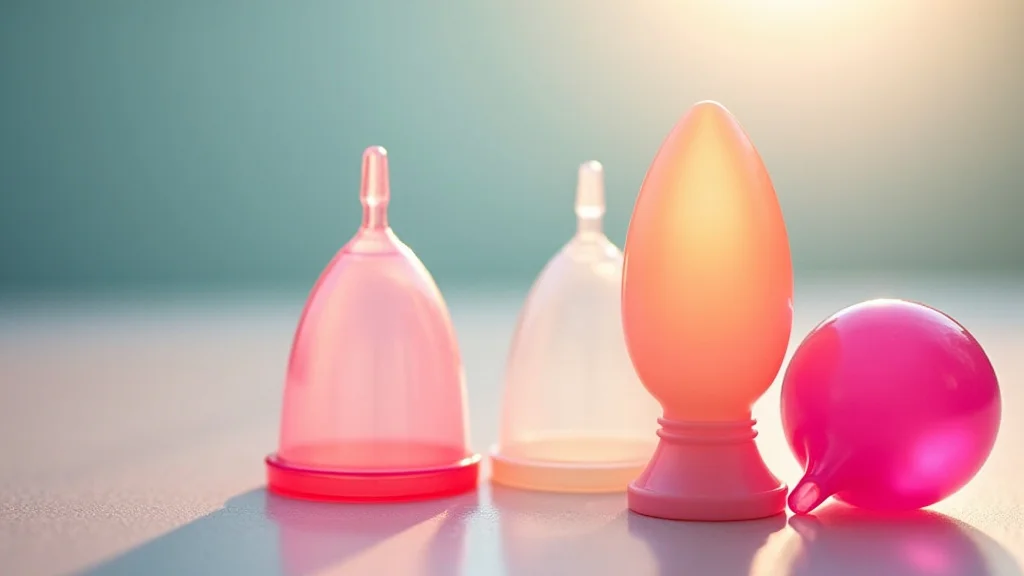
Picture this: you’re on a camping trip, hiking through the woods, or simply enjoying a busy day at work. Then, your period arrives. You reach for your usual supplies, but you’re left wishing for something less bulky and wasteful. This is where menstrual cups enter the picture. This guide will explore everything you need to know about these reusable period products. You’ll gain a thorough exploration of menstrual cups, learn about their various benefits, and discover how to choose and use them with confidence. Get ready to explore a different way to manage your period!
Key Takeaways
- Menstrual cups are a reusable and eco-friendly alternative to pads and tampons.
- They offer a range of benefits, including cost savings and reduced environmental impact.
- Understanding the different types, sizes, and materials is key to finding the right cup.
- Proper insertion, removal, and cleaning are essential for safe and effective use.
- Learn how to troubleshoot common issues and make the switch with ease.
- Menstrual cups are a great option for people looking to reduce waste and save money.
Menstrual Cups: An Overview
So, what exactly are menstrual cups? They’re a type of feminine hygiene product designed to collect menstrual fluid. Unlike pads and tampons, which absorb the flow, cups create a seal inside the vagina, gathering the blood until you remove and empty it. They’re typically made of medical-grade silicone, rubber, or thermoplastic elastomers (TPE), making them flexible and durable. Cups come in various sizes and shapes, catering to different body types and flow levels. They represent a shift toward reusable and sustainable period products, offering an alternative to disposable options.
The History and Evolution
The concept of menstrual cups isn’t entirely new. The earliest patents for similar devices date back to the 19th century. However, early designs weren’t practical or widely adopted. The evolution of menstrual cups accelerated with the advancement of medical-grade materials, such as silicone. These materials are biocompatible, meaning they’re safe for the body, flexible, and easy to clean. The first commercially successful cups started appearing in the mid-20th century. Over time, designs have become more user-friendly, with softer materials, various shapes, and sizes becoming available. Today’s cups are a far cry from their predecessors, offering a comfortable and reliable alternative to traditional period products.
- Early Innovations: Early cups were often made of rubber or similar materials and were less comfortable and durable than modern versions. The designs were bulky and didn’t always provide a good seal.
- Material Advancements: The introduction of medical-grade silicone and TPE significantly improved the comfort, safety, and lifespan of menstrual cups. These materials are inert, meaning they don’t react with the body, and they are easy to sterilize.
- Design Improvements: Modern cups feature various sizes and shapes, including different stem designs and textures. These changes cater to individual needs and preferences.
Early menstrual cups were often made of materials that were less pliable and hygienic than those available today. These designs lacked the flexibility and ease of use of current cups. The challenges of cleaning and maintaining these early versions made them less appealing to consumers.
The switch to medical-grade silicone and TPE revolutionized menstrual cup design. These materials offer improved flexibility and comfort. They also allow for better hygiene and longer-lasting product quality.
The design modifications that have been introduced, like varying cup shapes and stem styles, have significantly increased the comfort and ease of use. These design enhancements make it possible for a wider group of people to discover the benefits of menstrual cups.
Types of Menstrual Cups
There are several types of menstrual cups available, each with unique features. Knowing these variations helps people select the most suitable cup for their needs. The materials, size, and shape all play a role in comfort and effectiveness. Making the correct selection is crucial for a positive experience. The main categories include different materials, firmness levels, sizes, and shapes.
- Silicone Cups: Silicone is the most popular material due to its flexibility, durability, and biocompatibility. Silicone cups are gentle on the body and easy to clean. They also last for several years with proper care.
- TPE Cups: Thermoplastic elastomers (TPE) offer another option, providing similar benefits to silicone. TPE is a durable and flexible material. It is a good choice for people who are sensitive to silicone.
- Rubber Cups: Rubber cups are less common now. While they were among the first types, they may be prone to allergic reactions. Also, they have a shorter lifespan.
- Size Variations: Cups are available in different sizes, typically related to age, parity (whether you’ve given birth), and flow. Generally, smaller cups are for teens or people who haven’t given birth vaginally, and larger cups are for those who have.
Silicone cups are celebrated for their biocompatibility. They are safe, comfortable, and simple to maintain. This material’s longevity and ease of cleaning make it a popular choice for regular use.
TPE cups are a great alternative to silicone, offering similar benefits with an alternative material. TPE is typically considered a more environmentally friendly choice. They are just as safe and easy to clean.
Rubber cups can cause allergic reactions in some individuals. They do not last as long as silicone or TPE. Because of these factors, they are not a popular choice in the current market.
The sizing options allow cups to fit various bodies and flow requirements. A smaller cup is normally suited for first-time users or those with lighter flow. Those who have given birth vaginally or have a heavier flow may prefer a larger cup.
Choosing the Right Menstrual Cup
Selecting the right cup can make a significant difference in comfort and effectiveness. You must consider several factors, including your body, flow, and lifestyle. This ensures a comfortable and leak-free period. The perfect cup doesn’t just collect menstrual flow; it fits your body perfectly.
Factors to Consider
Choosing a menstrual cup is a personal decision, and several factors affect your choice. Considering these points helps you select the best fit. The shape, firmness, and size of the cup should match your needs. The right cup provides comfort and confidence throughout your cycle.
- Size: Choose a size that suits your body and period flow. Most brands offer two sizes: one for those who haven’t given birth vaginally and another for those who have or have a heavier flow.
- Material: Silicone and TPE are the most common and recommended materials. Both are safe, flexible, and easy to clean. If you have any sensitivities, it’s crucial to check the material.
- Firmness: Cups come in various firmness levels. Softer cups are easier to insert and can be more comfortable. Firmer cups might create a better seal. The appropriate firmness depends on your vaginal muscles.
- Shape: Cups come in different shapes, such as bell-shaped, rounded, and tapered. The shape impacts the fit and comfort. Experiment to find a shape that works well for your body.
- Length: The length of the cup is important, especially if you have a low cervix. Ensure the cup is long enough to collect your flow but not so long that it protrudes or causes discomfort.
Choosing the correct size is crucial for comfort and reducing leaks. Consider your age, whether you have had children, and the heaviness of your flow when selecting a size.
The material impacts the comfort, longevity, and hygiene of your cup. Silicone and TPE are good choices due to their hypoallergenic properties. Always opt for medical-grade materials.
The firmness affects the cup’s ease of use and seal. Softer cups are typically easier to insert, but may not create a strong seal. Firmer cups may be trickier to insert. This depends on your own experience.
The shape of your cup affects how comfortably it sits inside your vagina. The choice depends on your individual anatomy and preferences. There is no one-size-fits-all shape.
Cup length is a key factor, particularly for individuals with lower cervixes. You can prevent discomfort and potential issues by making sure the cup’s length suits your individual anatomy.
How to Determine Your Flow
Knowing your flow helps you select the correct cup size and decide how often you need to empty it. This reduces the risk of leaks and makes using a cup more convenient. Your flow varies during your cycle, and the amount changes each day. The data informs which cup size to choose and when to change it.
- Light Flow: On light flow days, you might only need to empty your cup once or twice a day. These are typically the beginning and end of your period.
- Moderate Flow: If you have a moderate flow, you will probably need to empty the cup every 8-12 hours. This is common during the middle days of your period.
- Heavy Flow: Those with a heavy flow may need to empty their cup every 4-8 hours or even more frequently. A larger cup size is often best to manage a heavy flow.
- Tracking Your Flow: Keep track of how often you empty your cup and how full it gets. This helps you understand your flow. You’ll then be able to adjust your cup size or frequency of use as needed.
When you have a light flow, you can often go longer between emptying. You can start with a smaller cup if you typically have a light flow.
For moderate flow, knowing how frequently you need to change your cup is important. You will need a moderate size to accommodate your flow effectively.
Individuals experiencing a heavy flow must empty their cup more regularly to avoid leaks. Choosing the right size and being aware of your needs is essential.
Tracking your flow over a few periods helps you understand your cycle. You can adjust your cup size or schedule to make it more comfortable.
Using a Menstrual Cup: A Step-by-Step Guide
Using a menstrual cup effectively takes some practice, but it becomes simple over time. This section provides a clear, step-by-step guide. It will explain how to insert, remove, and clean your cup. These tips help make your experience comfortable and leak-free. Follow these steps to use your cup with confidence.
Insertion Techniques
The fold you use affects how easily the cup inserts. Experimenting with different folds helps you find the most comfortable and effective method. Practicing at home when you aren’t on your period makes the process easier. You’ll become more comfortable with the cup with practice. Remember to relax, as muscle tension can make insertion difficult.
- The C-Fold: Flatten the cup and fold it in half, creating a C-shape. This is one of the easiest folds.
- The Punch-Down Fold: Push down one side of the cup to create a point. This reduces the cup’s diameter.
- The 7-Fold: Fold one corner of the cup down towards the center, forming a seven shape. This creates a small, compact fold.
- Relax and Position: Find a comfortable position, like squatting or standing with one leg up. Gently insert the folded cup into your vagina, angling it toward your tailbone.
- Ensuring a Seal: Once inserted, the cup should spring open. Rotate the cup or gently tug on the stem to ensure it’s fully open and sealed against the vaginal walls.
The C-fold creates a compact shape that’s easy to insert, making it a good choice for beginners. You simply flatten the cup and fold it from top to bottom.
The punch-down fold creates a small, pointed shape that can be easier to insert. This is good for those new to cups.
The 7-fold minimizes the cup’s diameter, easing insertion. This fold is especially useful if you find other folds too bulky.
Relaxation is crucial during insertion. Find a position that is easy to access and feels natural. Angle the cup backward toward your tailbone.
This checks that your cup has sealed properly. A good seal will prevent leaks. You should be able to turn it easily.
Removal and Cleaning
Removing and cleaning your cup is just as important as insertion. Proper hygiene ensures your safety and the longevity of the cup. The process is easy once you get the hang of it. You must understand the correct steps for removal and cleaning to maintain the cup.
- Breaking the Seal: To remove the cup, wash your hands and find a comfortable position. Gently pinch the base of the cup to break the seal. Avoid pulling the cup out by the stem alone.
- Removing the Cup: Gently pull the cup down and out, keeping it upright to avoid spills. Empty the contents into the toilet or sink.
- Rinsing and Cleaning: Rinse the cup thoroughly with cold water first, then wash it with mild, unscented soap. Ensure all blood and residue are gone.
- Sterilizing the Cup: Before the first use and at the end of each cycle, sterilize the cup. Boil it in a pot of water for 5-10 minutes. Alternatively, use a cup sterilizer according to the manufacturer’s instructions.
Breaking the seal prevents discomfort and potential damage. Gently squeeze the base to release the vacuum before pulling.
Taking the time to do this with care helps prevent leaks. Maintaining the upright position helps to keep things tidy.
Rinsing the cup with cold water helps prevent staining. Cleaning with mild soap helps keep it hygienic and ready for the next use.
Sterilization is crucial to eliminate any bacteria. Boiling is the most common method. Using a sterilizer is also very safe and easy.
Troubleshooting Common Issues
Despite their many benefits, using a menstrual cup can sometimes present challenges. These may include leakage, insertion issues, or difficulty removing the cup. Identifying the problems helps users troubleshoot and find solutions. Understanding and addressing common issues enhances the overall experience.
Leakage Problems
Leakage is a common issue, often due to improper insertion or seal. If you experience leaks, you can try various solutions. Proper fit and technique are essential for preventing leaks. Reviewing these points helps to ensure a comfortable, leak-free experience.
- The Cup Isn’t Fully Open: Ensure the cup has fully opened after insertion. If it doesn’t, rotate it or gently pull on the stem to encourage it to pop open and create a seal.
- Incorrect Size or Fit: The cup might be too small or too large for your body. Try a different size or brand that fits your anatomy better.
- Poor Seal: Make sure the cup is positioned correctly to seal against the vaginal walls. Try different insertion angles or techniques.
- Cervix Position: Sometimes, the cervix sits low in the vagina, causing the cup to be improperly positioned. Try a shorter cup or a cup with a softer rim.
If the cup isn’t fully open, it can’t collect fluid effectively. The cup should create a good seal against the vaginal walls.
The right size ensures a secure and comfortable fit. Experimenting with different sizes can help you find one that works best.
If a seal doesn’t form, the cup will not collect the fluid. Try various insertion methods to ensure a good seal.
Knowing your cervix’s position can help you choose the right cup. This ensures you can position the cup effectively.
Insertion and Removal Difficulties
Some people experience difficulties with inserting or removing their cup. Many factors cause these difficulties, including body type, muscle tension, and technique. With practice and adjustments, these problems are usually resolved. Knowing how to resolve these issues enhances the comfort of the user.
- Difficulty Inserting: Try a different insertion fold, or use water-based lubricant on the rim of the cup to ease insertion. Relax your muscles.
- Pain During Insertion: If insertion is painful, try a softer cup or adjust the angle. Make sure you are relaxed.
- Difficulty Removing: Pinch the base of the cup to break the seal before removal. Don’t pull by the stem alone.
- Cup is “Lost”: If the cup moves up too far, take slow, deep breaths and push down like you are having a bowel movement. This helps you reach the cup.
Experimenting with different folds can make insertion easier. A good amount of lubricant can help the cup slide into place.
Pain during insertion may result from muscle tension or an incorrect angle. Selecting a softer cup can help. Make sure you relax.
The seal must be broken before you remove the cup. Pinching the base breaks the vacuum, making removal easier and more comfortable.
If the cup moves high up, you can gently push down to reach it. Patience and relaxation will make it easier to reach the cup.
Benefits of Menstrual Cups
Menstrual cups offer several advantages over traditional period products. They are a great choice for managing your period. The benefits extend beyond convenience. They can also have a positive impact on your health, finances, and the environment. Consider the advantages to determine if a cup suits your needs.
Cost Savings
One of the primary advantages of menstrual cups is cost-effectiveness. The up-front investment is more than pads or tampons, but the long-term savings are significant. This reduces your ongoing expenses. Over the lifespan of a cup, the costs compare favorably to disposable period products. This makes menstrual cups a smart economic decision.
- Long Lifespan: Cups can last for several years with proper care. This reduces the need for repeated purchases. The upfront cost is offset by the extended use, saving money over time.
- Reduced Monthly Expenses: By eliminating the need to buy pads and tampons, you save money. The financial benefit accumulates each month.
- No Hidden Costs: Disposable products also incur hidden costs, such as taxes. Cups have no recurring fees, which helps you plan.
A high-quality cup that lasts for years reduces how much you must spend on monthly products. Long-term use makes them very budget-friendly.
Cutting out the regular purchases of disposable products leads to noticeable savings. This frees up funds for other expenses.
The initial investment is the only expense, which simplifies your budget. It eliminates the constant need to buy period products.
Environmental Impact
Cups significantly reduce environmental impact. They offer a sustainable option compared to disposable products. Each person who switches helps lower the amount of waste. Choosing a reusable cup is a step towards sustainable living.
- Reduced Waste: Cups are reusable, minimizing the waste associated with pads and tampons. This has a significant impact on landfills.
- Sustainable Materials: Cups are typically made from medical-grade silicone or TPE. These materials are durable and designed for long-term use, reducing the overall environmental footprint.
- Manufacturing and Packaging: Reusable products reduce the need for constant manufacturing and packaging. There is a reduction in environmental impacts.
Menstrual cups create much less waste than disposable products. Reusable products help reduce the burden on landfills.
Using durable and reusable materials cuts down on the constant disposal of plastic and other materials found in pads and tampons.
Reusable cups also help to reduce the environmental costs associated with the manufacture, distribution, and disposal of disposable products.
Health and Comfort
Menstrual cups offer health and comfort benefits. They reduce the risk of irritation and infections. You can experience a more comfortable and hygienic period. This can contribute to your overall well-being. Cups are also convenient and allow you to stay active.
- Reduced Risk of Infections: Since cups collect rather than absorb blood, they reduce the risk of bacterial buildup and infections. This is a significant health benefit.
- No Harsh Chemicals: Unlike some pads and tampons, menstrual cups are free of chemicals and fragrances. This reduces the risk of allergic reactions.
- Long-Lasting Protection: Cups can be worn for up to 12 hours, providing longer-lasting protection. This reduces the need for frequent changes.
- Comfort and Activity: Cups are designed to be comfortable and discreet. They allow you to participate in activities, such as swimming and exercise.
Cups reduce the potential for infections because they collect rather than absorb blood. This helps you have a more hygienic period.
Cups are free of the chemicals often found in disposable products. This is a big win for your health.
Cups provide longer protection compared to tampons. You can go longer without having to think about changing products.
Cups let you enjoy your activities without the limitations of traditional products. This offers freedom and flexibility.
Common Myths Debunked
Myths and misconceptions surround menstrual cups, often causing hesitation among potential users. Separating fact from fiction helps in making an informed decision. Addressing these beliefs can help clarify what cups are all about. The goal is to address each point with accurate data.
Myth 1: Menstrual Cups Are Difficult to Use
Many people believe that menstrual cups are challenging to insert, remove, and clean. In reality, the learning curve is often short, with most people becoming comfortable within a few cycles. Practice with different folding techniques and insertion methods makes it easier. Following the instructions and being patient helps make the process simple.
Myth 2: Menstrual Cups Are Unhygienic
Some people think cups can be unhygienic, potentially leading to infections. However, medical-grade silicone and TPE are non-porous and easy to clean. Regular washing with mild soap and sterilizing between cycles keeps them clean and safe. Proper care is key to maintaining hygiene.
Myth 3: Menstrual Cups Are Only for People Who Have Given Birth
Many assume that only those who have given birth vaginally can use menstrual cups. This is incorrect. Cups come in various sizes and styles, and many are designed for teens and those who haven’t given birth. Selecting the right size makes it possible for anyone to use a cup. The crucial factor is the anatomy of the user.
Myth 4: Menstrual Cups Are Messy
The idea of a messy removal process is another common misconception. With practice and the right technique, spills are uncommon. The goal is to maintain the cup upright while removing it and emptying the contents. Most people learn how to remove the cup cleanly after a cycle or two.
Myth 5: Menstrual Cups Are Dangerous
Some people worry about the safety of menstrual cups, but they are safe when used properly. They are made of inert materials. Risks like Toxic Shock Syndrome (TSS) are very rare with cups, as they don’t absorb blood. Always follow the guidelines, and consult your doctor for any concerns.
Frequently Asked Questions
Question: How long can I wear a menstrual cup?
Answer: You can typically wear a menstrual cup for up to 12 hours. However, always check your flow and empty the cup more often if needed, especially on heavy flow days.
Question: Can I use a menstrual cup if I have an IUD?
Answer: Yes, you generally can, but it is essential to consult with your doctor. They can advise you on the correct cup size and removal technique to prevent any issues with your IUD.
Question: Does a menstrual cup hurt?
Answer: When inserted and positioned correctly, a menstrual cup should not hurt. You might feel some pressure initially. If you experience pain, try a different insertion technique or a softer cup.
Question: Can I swim while using a menstrual cup?
Answer: Yes, you can swim, shower, and exercise with a menstrual cup. The cup creates a seal that prevents leaks, allowing you to participate in various activities.
Question: How do I clean my menstrual cup while I am not at home?
Answer: When you’re away from home, you can empty your cup in a toilet or sink, rinse it with bottled water or tap water (if safe), and reinsert it. Always wash your hands before and after.
Final Thoughts
Now you’ve explored the world of menstrual cups, you have a better understanding of what they are and how they work. You know about the different types, the benefits, and the steps for proper use. The best way to know is to try it out for yourself. Using a cup can be a game changer in your period care routine. It’s often more comfortable, eco-friendly, and cost-effective than using traditional methods. With a little practice and patience, you can adapt to this more modern approach. Embrace the journey and discover a new level of comfort and convenience. Your body will thank you!