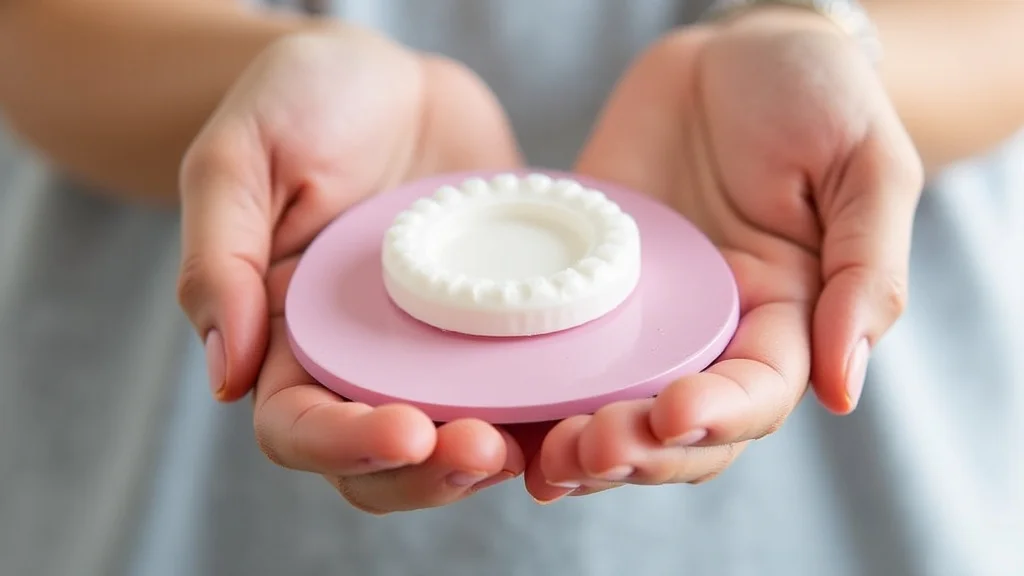
Picture this: you’re planning a fun weekend getaway, and the last thing you want to worry about is your period. You’re standing in the aisle of the store, staring at two options: the menstrual disc and the menstrual cup. Both promise a more comfortable and eco-friendly period, but which one is truly right for you? This post will help you explore the differences and figure out which option best suits your needs and lifestyle. You’ll gain a better awareness of both products, comparing their pros and cons. By the end, you’ll feel confident in your decision, ready to enjoy your period with more ease and less stress, improving Time on Page and reducing Bounce Rate.
Key Takeaways
- Understand the fundamental differences between a menstrual disc and a menstrual cup.
- Discover the pros and cons of each product, including factors like capacity and ease of use.
- Learn about the unique features and benefits of both options.
- Explore how to properly insert, remove, and care for both menstrual discs and cups.
- Compare the cost, lifespan, and environmental impact of each.
- Decide which option aligns with your individual needs and preferences.
Menstrual Disc Versus Cup: Unveiling the Differences
The menstrual disc and the menstrual cup are both internal period products that offer an alternative to pads and tampons. They collect menstrual flow rather than absorbing it. However, the fundamental design and functionality of these two options are quite different. While both are reusable and offer a more sustainable period solution, the way they work and the experience they provide can vary. This section will compare the basic features, how they’re used, and what sets each apart. This will help you begin to compare and contrast the menstrual disc and menstrual cup options.
Menstrual Cups: A Classic Choice
Menstrual cups have been around for quite some time and are often made from medical-grade silicone or rubber. They are bell-shaped and sit inside the vagina, collecting menstrual fluid. They form a seal against the vaginal walls to prevent leaks. Cups come in various sizes and firmness levels to accommodate different bodies and flow levels. Some have stems for easier removal, though some users find the stem unnecessary or uncomfortable. A standard cup typically holds a bit less fluid than a disc, depending on the size, making it suitable for moderate to heavy flows.
- Shape and Design: Typically bell-shaped with a stem or tab.
- Material: Usually medical-grade silicone or rubber.
- Capacity: Varies by size, but generally holds less fluid than a disc.
- Placement: Sits lower in the vaginal canal than a disc.
- Removal: Requires breaking the seal before removal.
To use a menstrual cup, you typically fold it (there are several folding techniques you can try) and insert it into your vagina. Once inside, it unfolds and creates a seal. You can wear a cup for up to 12 hours, depending on the manufacturer’s instructions and your flow. Removal involves breaking the seal, and then you simply pull it out and empty the contents. Washing and sterilizing the cup is also required. You can reuse the cup for several years, making it a cost-effective and eco-friendly option.
Menstrual Discs: A Modern Option
Menstrual discs are a relatively new choice compared to cups and have gained popularity in recent years. They are typically made of flexible, medical-grade plastic or silicone. A disc is a shallow, circular shape that sits higher up in the vaginal canal, tucked behind the pubic bone. They hold a larger capacity than most cups and can be worn for up to 12 hours. Some discs are reusable, and some are single-use. The disc offers a unique advantage – they can auto-dump, which means you might not need to remove the disc completely to empty it.
- Shape and Design: Shallow, circular, and flexible.
- Material: Usually medical-grade plastic or silicone.
- Capacity: Generally holds more fluid than a cup.
- Placement: Sits higher up in the vaginal canal, behind the pubic bone.
- Removal: Often involves hooking a finger under the rim or using a removal tab.
To insert a menstrual disc, you squeeze the sides together to make a narrow shape, then insert it into the vagina and push it as far back as it goes. The front edge tucks behind the pubic bone, and the disc then settles into place. The removal process involves hooking a finger under the rim or using a removal tab to pull the disc out. You then empty the contents and rinse the disc before re-inserting it. Reusable discs can last for several years with proper care, while single-use discs are disposed of after each period.
Comparing Features: Menstrual Disc vs. Cup
Choosing between a menstrual disc and a cup comes down to personal preferences, lifestyle, and flow. Each has its pros and cons, and what works best for one person might not be the best choice for another. This section breaks down various features, including capacity, ease of use, comfort, and cost, to help you make an informed decision. This will ensure you choose the period product most suitable for your individual needs.
Capacity and Flow Management
One of the key differences between the disc and the cup is the capacity. Discs usually have a higher capacity than cups. This means you might need to empty a cup more frequently, especially if you have a heavy flow. The ability to manage your flow effectively is key for comfort and convenience, especially on busy days or when you are traveling.
- Menstrual Disc: Generally offers a higher capacity (can hold up to 50-70 ml) and is better for heavy flows.
- Menstrual Cup: Capacity varies by size and brand (typically 20-40 ml), which can require more frequent emptying for heavier flows.
- Auto-Dumping: Discs offer auto-dumping, which can be convenient for lighter flows, while cups need to be removed completely for emptying.
- Flow Monitoring: Both allow you to monitor your flow easily.
- Capacity Needs: Consider your flow to select the best option.
The choice between a disc and a cup for flow management is heavily influenced by your menstrual flow. If you have a light to moderate flow, a cup might be sufficient. If you experience a heavy flow, the higher capacity of a disc might be more advantageous. Some users find the auto-dumping feature of discs incredibly convenient, as it can reduce the need for complete removal in certain situations, such as when you use the restroom.
Insertion, Removal, and Comfort
The insertion and removal processes are critical. The ease of use and the comfort level impact your overall experience. The placement of each product within the vagina, along with the specific design, affects how easy it is to insert and remove, as well as the comfort level during wear. Trying them out during a lighter flow cycle will give you the best insight into these elements.
- Insertion: Cups require folding and careful insertion, while discs need to be squeezed and pushed back.
- Removal: Cups require breaking the seal before removal; discs require hooking the rim.
- Placement: Discs sit higher in the vaginal canal, cups lower.
- Comfort: The placement and design can cause discomfort.
- Learning Curve: There may be a learning curve with either product.
Insertion and removal can have a learning curve for both products. A proper insertion ensures a good seal with a cup, while a disc stays secure behind the pubic bone. The comfort levels vary from person to person; some find the disc more comfortable, while others prefer the cup. Choosing a suitable size and material can improve comfort. Practice is key to mastering the insertion and removal techniques for both, leading to a more comfortable experience.
Cost, Lifespan, and Environmental Impact
Thinking about the long-term impact on your wallet and the environment is key. Both the menstrual disc and cup have different cost structures. Their lifespan and materials greatly impact their eco-friendliness. While the initial costs of both can vary, the reusable nature of these options often leads to long-term savings.
- Cost: Discs can be single-use or reusable; cups are generally reusable, so the initial cost is higher but the long-term cost is lower.
- Lifespan: Reusable discs and cups can last several years with proper care.
- Environmental Impact: Reusable options reduce waste compared to disposable pads and tampons.
- Sustainability: The single-use discs contribute to waste.
- Long-term Value: The savings of reusable options add up.
Single-use discs have a higher recurring cost, as you need to buy them every period. Reusable discs and cups have a higher upfront cost, but their long lifespans make them cost-effective in the long run. The environmental impact is also key; the reusable options significantly reduce waste compared to disposable products. Choosing the right option depends on your financial and environmental considerations.
| Feature | Menstrual Disc | Menstrual Cup |
|---|---|---|
| Capacity | Higher (up to 70ml) | Varies (20-40ml) |
| Placement | Higher in vaginal canal | Lower in vaginal canal |
| Insertion | Squeezed and pushed back | Folded and inserted |
| Removal | Hooking the rim | Breaking the seal |
| Cost | Single-use or reusable | Generally reusable |
| Lifespan | Single-use or several years | Several years |
How to Use a Menstrual Disc: Step-by-Step Guide
The correct insertion and removal of a menstrual disc can seem like a new skill. Following these steps carefully will ensure a comfortable and leak-free experience. Understanding and mastering the correct techniques is key to successfully using a menstrual disc.
Insertion Techniques: Mastering the Art
Inserting a disc starts with preparing the product and finding a comfortable position. Practice can make the process easier. The angle and positioning of the disc are crucial for a good fit and effective collection of your flow. This section will guide you through the insertion to achieve the best results.
- Wash Your Hands: Begin by thoroughly washing your hands with soap and water. This reduces the risk of infection.
- Find a Comfortable Position: You can squat, stand with one leg elevated, or sit on the toilet. Experiment with different positions to find what works for you.
- Prepare the Disc: Hold the disc with the open side facing up. Some users prefer to pinch the sides together to create a narrower shape.
- Insert the Disc: Gently guide the folded disc into your vagina, aiming towards the back.
- Push It Back: Once the rim is inside, push the front edge of the disc up and back towards your tailbone. The front edge should tuck behind your pubic bone.
If the disc is inserted correctly, it should sit comfortably and not cause any pain. A correctly placed disc should seal behind the pubic bone, preventing leaks. If the disc feels uncomfortable or you experience any leakage, adjust the position. Always double-check that the disc is tucked behind your pubic bone.
Removal Procedures: Making It Simple
Removing a menstrual disc may take some practice. The steps for removing the disc are relatively straightforward, but they require a gentle touch and awareness. This section will walk you through the procedures to remove the disc safely and comfortably.
- Wash Your Hands: Always begin by washing your hands.
- Find a Comfortable Position: Squatting or sitting on the toilet can make removal easier.
- Reach Inside: Insert your finger into your vagina and feel for the rim of the disc.
- Hook and Pull: Hook your finger under the rim or use the removal tab to gently pull the disc out.
- Empty and Clean: Hold the disc over the toilet to empty the contents. Rinse the disc before reinserting (if reusable).
Some users find it helpful to bear down slightly as if you’re having a bowel movement, as this can make the disc more accessible. Take your time, and don’t panic if you can’t get it out right away. You may need to adjust your position. Properly cleaning and caring for a reusable disc is essential for hygiene and product longevity. Always consult the product’s instructions for the specific care details.
How to Use a Menstrual Cup: A Detailed Guide
Using a menstrual cup effectively involves learning how to insert, remove, and care for it properly. Understanding these procedures is critical for a leak-free, comfortable, and hygienic period experience. The following guide offers a step-by-step approach.
Insertion Techniques: Getting It Right
Correct ‘s a quick guide to getting it right the first time.
- Wash and Prepare: Clean your hands with soap and water, and rinse your cup with warm water.
- Choose a Fold: There are various folding techniques, such as the punch-down fold, the C-fold, or the origami fold. Experiment to find what works for you.
- Find a Comfortable Position: Squat, stand with one leg elevated, or sit on the toilet.
- Insert the Folded Cup: Hold the folded cup and insert it into your vagina, angled slightly towards your tailbone.
- Allow the Cup to Open: Once inside, the cup should pop open and create a seal. You can rotate the cup or run your finger around the base to ensure it’s fully open.
The cup should form a seal against your vaginal walls, which prevents leaks. You can test this by gently tugging on the base of the cup. If you feel resistance, it has likely sealed properly. If you experience leaks, remove the cup and try again, making sure it’s fully open.
Removal Methods: Safe and Easy
The removal process involves breaking the seal and pulling out the cup. Breaking the seal is important to prevent discomfort during removal. Taking your time, and following these steps will make the process easier and less messy.
- Wash Your Hands: Always clean your hands thoroughly before removing the cup.
- Find a Comfortable Position: Squatting or sitting on the toilet makes removal easier.
- Break the Seal: Insert your finger to the base of the cup, and gently squeeze the base to break the seal.
- Pull It Out: Once the seal is broken, gently pull the cup out, keeping it upright to avoid spills.
- Empty and Clean: Empty the contents into the toilet, rinse the cup with water, and reinsert it.
It can sometimes feel like suction, so breaking the seal first avoids discomfort. Be gentle and take your time. Ensure you have access to water for rinsing. The cup should be emptied, rinsed, and reinserted for the rest of your period. You must clean it thoroughly at the end of your period, following the manufacturer’s instructions, to prepare it for your next cycle.
Common Myths Debunked
Many myths surround menstrual disc and cup use. Clearing up misunderstandings can lead to a more informed and comfortable period experience. This section debunks some common misconceptions with facts.
Myth 1: Cups and Discs Are Difficult to Use
Many believe that menstrual cups and discs are difficult to use. While there can be a learning curve for both, most people can learn with a little practice. It may take a cycle or two to get comfortable with the insertion, removal, and placement. Many find they become more comfortable with each use. Patience and practice are key to mastering the techniques.
Myth 2: Cups and Discs Cause Infections
Some worry that cups and discs may cause infections. Proper hygiene and care reduce any risks. Following the manufacturer’s instructions for cleaning and sterilizing can prevent infection. Regularly washing your hands before inserting and removing the product is key. Choosing a safe material and cleaning your chosen product will limit chances of infection.
Myth 3: Discs and Cups Can Get Lost
A common fear is that cups or discs can get lost inside the body. This is a misconception, as it is anatomically impossible for them to be lost. The vagina is not a bottomless pit. While it is possible for a cup or disc to move higher up the vaginal canal, you can reach it. The cervix blocks the cup or disc from entering the uterus.
Myth 4: Cups and Discs Are Unhygienic
Some people think that cups and discs are not hygienic. The truth is that cups and discs can be very hygienic when cleaned properly. With proper care, they are a very hygienic option. After the period, you can boil or sterilize the cup or disc. Ensure your hands are clean. This will prevent bacterial growth.
Myth 5: Cups and Discs Are Messy
Many believe that cups and discs are messy. While there can be some mess during removal, with practice, you can reduce this. The proper techniques minimize the risk of spills. Removal over the toilet or in the shower helps contain any mess. Learning the proper removal process is key to a mess-free experience.
Frequently Asked Questions
Question: How long can I wear a menstrual disc or cup?
Answer: Most discs can be worn for up to 12 hours. Cups can also be worn for up to 12 hours.
Question: What is the best way to clean my menstrual disc or cup?
Answer: Always follow the manufacturer’s instructions. Usually, you can clean your menstrual disc or cup with soap and water.
Question: Can I use a disc or cup if I have an IUD?
Answer: It is advisable to consult your doctor if you have an IUD.
Question: Are menstrual discs or cups safe to use?
Answer: Yes, they are generally considered safe. Always follow the instructions for use, insertion, and cleaning.
Question: What sizes are available for menstrual cups?
Answer: Menstrual cups are available in a variety of sizes, generally based on your age and whether you’ve given birth.
Final Thoughts
Choosing between a menstrual disc and a cup is a personal decision, shaped by your unique needs and preferences. Both products offer many benefits. Consider your flow, lifestyle, and comfort levels when making your choice. If you prefer higher capacity and find discs easy to insert, then a disc may be a better choice. A cup is an excellent option if you are comfortable with breaking the seal, and prefer the classic bell shape. Try them out, and see which one feels best for you. Either option can improve your comfort and reduce your impact on the environment. Ultimately, the best period product is the one that allows you to live your life comfortably and confidently. Your comfort and well-being should guide your decision.