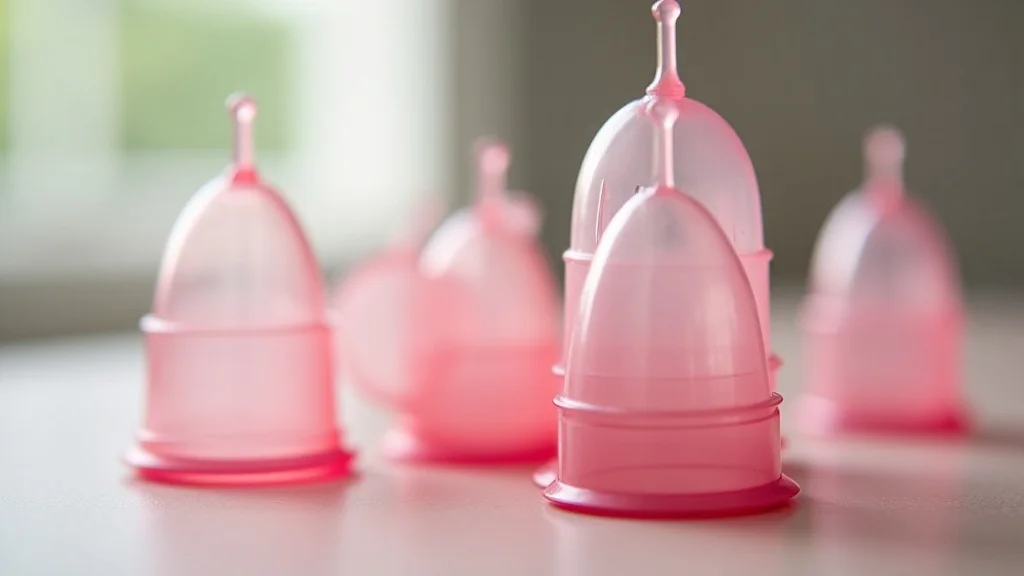
Remember that time your friend raved about menstrual cups, and you just stared blankly? Maybe you’re curious, but the whole idea feels. new. Or perhaps you’ve heard whispers about comfort and sustainability and are eager to explore them. This guide is built just for you! We’ll walk through everything, from what menstrual cups for beginners are to how to choose one and use it. You’ll gain the confidence to explore this option and potentially transform your period experience, saving money, and reducing environmental impact. Get ready to learn!
Key Takeaways
- Learn the basics: what menstrual cups are and how they work.
- Understand the benefits of using a menstrual cup for your period.
- Discover how to choose the right cup size and material for you.
- Get step-by-step instructions on how to insert and remove a cup.
- Find out how to clean and care for your menstrual cup.
- Address common concerns and get answers to frequently asked questions.
Menstrual Cups: What Are They and How Do They Work?
Menstrual cups are small, flexible, bell-shaped cups, typically made from medical-grade silicone, rubber, or thermoplastic elastomers (TPE). They’re designed to collect menstrual fluid inside the vagina, instead of absorbing it like tampons or pads. Instead of absorbing the flow, the cup creates a seal against the vaginal walls to prevent leaks. The collected fluid is then emptied, and the cup is washed and reinserted. This differs dramatically from single-use products, offering both environmental and financial advantages.
This section explores the fundamental design and the mechanics of a menstrual cup. You’ll find a detailed examination of the materials used, their properties, and why they’re suitable for this purpose. We’ll also examine the role of the cup’s shape in achieving a leak-free seal and its functionality. The information provided will help you build a solid foundation before exploring any practical application.
Materials and Construction
Menstrual cups are primarily constructed from three common materials: medical-grade silicone, thermoplastic elastomers (TPE), and natural rubber. Medical-grade silicone is the most prevalent choice due to its inert nature, durability, and hypoallergenic qualities, making it ideal for the body. TPE is a plastic blend that is flexible and often used for its cost-effectiveness and recyclability. Natural rubber, while a viable option, is less frequently used due to potential allergic reactions for some people.
- Medical-Grade Silicone: This material is odorless, non-porous (reducing bacterial growth), and lasts for several years with proper care. It’s also very flexible.
- Thermoplastic Elastomer (TPE): TPE is another option that’s flexible, and often more cost-effective. While generally safe, some brands may contain additives.
- Natural Rubber: This is a less common choice. It is naturally derived, but can trigger allergic reactions in some users, particularly those with latex sensitivities.
- Design Elements: Most cups feature a bell-shaped body, a stem (for removal), and sometimes ridges or bumps for easier gripping. The rim of the cup is designed to create a seal against the vaginal walls.
The design of the menstrual cup plays a significant role in its effectiveness. The bell-shaped body of the cup is designed to collect menstrual flow, and the rim must form a seal to prevent leaks. Stems come in different designs (e.g., solid, ring, or bead) and are used for easy removal. Some cups may have small holes near the rim, which are designed to release the suction, making it easier to remove the cup.
The Menstrual Cycle and Fluid Collection
The menstrual cycle is a monthly sequence of changes in a woman’s body, primarily controlled by hormones. The cycle involves the thickening of the uterine lining, which prepares for a potential pregnancy. If pregnancy doesn’t occur, the lining sheds, resulting in menstruation. This menstrual flow, consisting of blood, uterine lining, and other fluids, is what a menstrual cup collects.
- Menstrual Flow Composition: The flow primarily consists of blood, but also includes endometrial tissue (the uterine lining), mucus, and vaginal secretions.
- Collection Process: The cup is it unfolds and creates a seal. The menstrual fluid collects inside the cup.
- Capacity: Most cups have capacity markings, which enables users to estimate the amount of their flow.
- Frequency of Emptying: The frequency of emptying the cup depends on the flow. Typically, it’s emptied every 8-12 hours, but it varies for each person.
The amount of menstrual flow varies greatly among individuals and during different phases of the menstrual cycle. A heavy flow requires emptying the cup more frequently. Regular monitoring enables women to adapt the use of the cup according to their menstrual needs. The cup offers an alternative to absorption, providing a method for managing menstrual fluids safely and effectively.
Understanding the Vaginal Anatomy
Understanding the vaginal anatomy is important for the comfortable and effective use of a menstrual cup. The vagina is a muscular canal that extends from the vulva to the cervix. It is elastic and can stretch to accommodate both the insertion and the removal of the cup.
- Vaginal Canal: The vagina is approximately 3-5 inches long, and its walls are lined with folds, enabling it to expand.
- Cervix: This is the lower, narrow end of the uterus, which extends into the vagina. Its position changes slightly during the menstrual cycle.
- Muscle Support: The vaginal walls are supported by the pelvic floor muscles, which play an important role in the cup’s placement and seal.
- Positioning and Functionality: Knowing the position of the cervix, along with the angle of the vaginal canal, is key to the proper insertion of a menstrual cup.
The position of the cervix can change throughout the menstrual cycle. Being familiar with one’s own anatomy, especially the length of the vaginal canal and the cervix’s location, allows the cup to be positioned optimally, enabling a comfortable fit and preventing leaks. This knowledge contributes to a more confident and effective use of a menstrual cup.
Advantages of Menstrual Cups: Benefits and Considerations
Switching to a menstrual cup offers several advantages over traditional period products. The benefits range from cost savings and environmental friendliness to improved comfort and health considerations. While there are numerous upsides, it is important to examine the potential disadvantages, as well, to make an informed decision.
We’ll delve into the various benefits of using menstrual cups, including cost-effectiveness, environmental impact, and potential health advantages. We’ll also examine other factors, such as the initial learning curve, and address concerns about comfort and hygiene. This section is geared towards helping you evaluate the overall suitability of menstrual cups for your individual needs.
Cost Savings and Environmental Impact
One of the primary advantages of using a menstrual cup is the considerable cost savings over time. Unlike disposable products like pads and tampons, menstrual cups can be used for several years, leading to significant financial savings. In addition to the financial benefits, menstrual cups offer a substantial environmental advantage by reducing waste.
- Cost Comparison: Over a few years, the cost of menstrual cups is significantly less compared to the cumulative cost of purchasing disposable products every month.
- Reduced Waste: Menstrual cups help reduce the amount of waste that ends up in landfills. Considering the number of people who menstruate, this is substantial.
- Sustainable Materials: The cups are often made from sustainable, medical-grade materials designed for durability.
- Long-Term Usage: The lifespan of a cup can be several years, depending on care and maintenance, further contributing to waste reduction.
The shift to reusable products substantially lessens the environmental burden linked to disposable menstrual products. This is an important step towards a more sustainable lifestyle. According to studies, disposable pads and tampons generate a large volume of plastic waste annually. By choosing a menstrual cup, individuals lessen their personal environmental footprint.
Comfort, Convenience, and Health Benefits
Many users report increased comfort when using menstrual cups compared to pads or tampons. Cups can be worn for up to 12 hours, reducing the frequency of changes, which is especially convenient during work, travel, or physical activities. Additionally, menstrual cups may have health advantages over traditional alternatives.
- Enhanced Comfort: Cups are inserted internally, offering a discreet experience that prevents chafing and irritation common with pads.
- Extended Wear Time: Cups can be worn for longer intervals, reducing the need for frequent changes and providing greater convenience.
- Reduced Risk of Infections: Because they collect rather than absorb, menstrual cups may reduce the risk of infections associated with prolonged use of tampons, such as toxic shock syndrome (TSS).
- Odor Reduction: Because the menstrual flow is collected and not exposed to air, the cup reduces the likelihood of odors.
The comfort and convenience of the cups make them a popular option, especially for women with active lifestyles. The non-absorbent design also preserves vaginal moisture, reducing dryness and irritation. The prolonged use time and reduced need for frequent changes enhance quality of life during menstruation.
Potential Challenges and Considerations
Despite the many advantages, there are some potential drawbacks to consider before switching to a menstrual cup. The learning curve for insertion and removal can be challenging. Other factors that can affect usability include choosing the correct size and the need for access to clean facilities for cleaning during the day.
- Learning Curve: There may be a learning curve involved, and it might take a few cycles to perfect the insertion and removal.
- Size and Fit: Finding the correct size depends on factors like age, whether you have given birth, and the flow.
- Hygiene and Cleaning: Cups require cleaning and sterilization between cycles, and cleaning during the day may require access to clean water.
- Initial Cost: The upfront cost of a menstrual cup is higher than that of disposable products, which can be a barrier for some individuals.
The initial challenges are typically temporary and overcome with practice. The size and fit require research to ensure the best experience and the hygienic requirements need attention to avoid health issues. Awareness of these considerations allows individuals to prepare and manage any potential challenges associated with the use of a menstrual cup.
Choosing the Right Menstrual Cup: Sizes, Types, and Materials
Selecting the correct menstrual cup involves considering factors such as size, shape, and material. The right fit is important for comfort and effectiveness. Understanding the various options available, along with one’s individual needs, enables an informed decision.
This section explores the various sizes, materials, and designs of menstrual cups, helping you select the one best suited to your needs. This will help you make an informed decision, leading to a more comfortable and effective experience. We’ll explore the factors to consider when choosing your first cup, along with guidelines for selecting the optimal fit for your body.
Cup Sizes and Considerations
Menstrual cups are available in multiple sizes to accommodate different body types, ages, and menstrual flow amounts. The size selection generally depends on whether you’ve given birth vaginally, your age, and the heaviness of your flow. Many manufacturers offer detailed size guides to help users find the best fit.
- Size Small (or Size 1): This size is generally recommended for those who have not given birth vaginally or are under 30 years old.
- Size Large (or Size 2): This size is typically recommended for those who have given birth vaginally or are over 30.
- Flow Considerations: Those with a heavier flow may prefer a larger cup capacity, while those with a lighter flow can opt for a smaller one.
- Individual Anatomy: The length of the vaginal canal and the position of the cervix should also be considered when selecting a cup size.
Choosing the correct size increases the comfort and prevents leaks. If the cup is too small, it may not collect enough flow and can lead to leaks. On the other hand, if the cup is too large, it may cause discomfort or difficulty in insertion and removal. Carefully assessing the individual needs and body characteristics is key to selecting the ideal menstrual cup size.
Shape, Design, and Features
Menstrual cups come in a variety of shapes and designs, each with its unique advantages. There are various shapes, including bell-shaped, disc-shaped, and those with stems in different styles. Knowing these different designs lets you select a cup that best fits your anatomy and preferences.
- Bell-Shaped Cups: The classic design, best for most people, featuring a rounded body and a stem.
- Disc-Shaped Cups: These cups sit higher in the vaginal canal and are often used for mess-free sex during your period.
- Stem Designs: The stems vary and can be a solid stem, ring, or no stem. Stems help in removal and can be trimmed to fit the user’s preference.
- Grip Features: Some cups have ridges, grips, or textured surfaces to assist with insertion and removal.
The shape, stem design, and grip features impact the comfort and ease of use. The choice of shape depends on individual preference and the anatomical characteristics. The stem style can affect the ease of removal, and some users prefer trimming the stem for added comfort. By evaluating these design aspects, you can choose a cup that fits comfortably and securely.
Material Considerations and Allergies
The materials used in the construction of menstrual cups are generally medical-grade. The most common materials are silicone, TPE, and natural rubber. Silicone is a popular choice because it is hypoallergenic, durable, and generally inert. TPE is a plastic blend that is flexible. Natural rubber is less common because it can cause allergies.
- Medical-Grade Silicone: This is the most common and safest option. Silicone is non-porous and hypoallergenic.
- Thermoplastic Elastomer (TPE): An alternative, TPE is often more cost-effective. However, it may not be as durable as silicone.
- Natural Rubber: This is a less common choice that can trigger allergic reactions in those sensitive to latex.
- Allergies and Sensitivities: It’s important to research the materials used in the cup to ensure they’re hypoallergenic and safe for your body.
When selecting a menstrual cup, it’s critical to choose a material that is safe and won’t cause any allergic reactions or sensitivities. Those with latex allergies should avoid natural rubber cups, and anyone concerned about chemicals or additives can consider medical-grade silicone or TPE. Paying close attention to the cup’s composition ensures the cup is suitable for one’s personal needs.
How to Use a Menstrual Cup: Insertion, Removal, and Care
Mastering the use of a menstrual cup might require some practice. This section offers step-by-step instructions for the insertion, removal, and maintenance of a menstrual cup. This guide is designed to clarify the process and address any issues a beginner might face, making it easier to adopt a new menstrual product.
We’ll provide a comprehensive, step-by-step guide on inserting, removing, and caring for your menstrual cup. We will address potential problems. With this information, you’ll be able to use your menstrual cup effectively. You’ll gain the confidence to experience the comfort and sustainability the menstrual cup offers.
Insertion Techniques
are several folding methods that can be used. Experimentation will determine which method works best for your body. The goal is to ensure a leak-proof seal while making insertion comfortable.
- The C-Fold: Flatten the cup and fold it in half, creating a C shape. This is a common and easy fold, which works well for many users.
- The Punch-Down Fold: Press one side of the rim downwards to create a small, pointed shape. This method reduces the cup’s diameter.
- The Seven Fold: Fold the cup diagonally to create a seven shape. This fold is good for those with a smaller vaginal opening.
- Insertion Steps: With the cup folded, relax and insert it into your vagina. Guide it towards the cervix, and release the fold so the cup opens.
Experimenting with different folds can make insertion easier and more comfortable. For beginners, it may be helpful to practice with a clean cup when not menstruating to get used to the technique. Insertion requires a relaxed approach. Make sure the cup opens fully, as this is essential for forming a seal.
Removal Process
Removing a menstrual cup takes a little practice. The key is to break the seal, then gently pull the cup out. The steps include relaxing, reaching into the vagina, and squeezing the base of the cup to release the suction. After removing the cup, you empty it, clean it, and reinsert it. Practice is important for making removal comfortable and leak-free.
- Hand Placement: Wash your hands thoroughly. Squat, sit, or stand in a comfortable position.
- Breaking the Seal: Gently push the cup against the vaginal wall to release the suction. This may take a little practice to feel.
- Pulling Down: Grasp the base of the cup, not the stem, and slowly pull it out. Wiggle the cup to ease removal.
- Post-Removal: Once removed, empty the cup into the toilet, rinse it, and reinsert it.
Taking your time during removal and avoiding forceful pulling is essential for comfort. If you have difficulty reaching the cup, try bearing down gently, which can move the cup downward. Be sure to empty the cup into the toilet, rinse it, and then reinsert it. A little practice helps improve the removal process.
Cleaning and Sterilization
Maintaining a menstrual cup requires proper cleaning and sterilization. You should wash the cup after each emptying during your period. Sterilizing the cup is recommended between cycles. Cleaning is essential for hygiene and to prolong the life of the cup.
- Washing During Use: During your period, wash the cup with mild, unscented soap and warm water. Rinse the cup thoroughly.
- Sterilization: Sterilize the cup before and after each cycle by boiling it in water for 5-10 minutes. Use a pot dedicated to this purpose.
- Cleaning Supplies: Avoid using harsh soaps, as they may damage the silicone.
- Storage: Once clean and dry, store the cup in the breathable pouch that came with it.
Proper cleaning and sterilization help in preventing infections and maintaining the cup’s effectiveness. Regular inspection for any damage or discoloration is also a good practice. Always follow the manufacturer’s instructions. With proper care, a menstrual cup can last for several years.
Common Myths Debunked
Myth 1: Menstrual Cups Are Difficult to Use
Many people assume that menstrual cups are difficult to use. While there’s a learning curve, it usually takes only a few cycles to master. With practice, are various folding techniques. Proper positioning and comfort come with practice. With time, people find that they become comfortable and simple to use.
Myth 2: Menstrual Cups Can Get Lost Inside You
Some believe menstrual cups can get lost inside the body. This isn’t possible. The vagina isn’t a bottomless pit. The cervix blocks the cup from entering the uterus. A cup can move higher than desired, but it can be easily retrieved. Knowing your anatomy, relaxing during removal, and using a correct removal technique help avoid this problem.
Myth 3: Menstrual Cups Are Unhygienic
There is a concern that menstrual cups are unhygienic. They’re actually very hygienic when used properly. They are made from non-porous materials that don’t absorb bacteria. You should wash your hands and clean the cup. Sterilization between cycles also helps to maintain hygiene. The cup poses no serious health risks.
Myth 4: Menstrual Cups Are Only for People Who Have Given Birth
Some think that menstrual cups are only for people who have given birth. Menstrual cups are appropriate for people of all ages and all sexual histories. Size recommendations do change, depending on whether you’ve given birth vaginally or not, but there are various sizes available for everyone.
Myth 5: Menstrual Cups Cause Toxic Shock Syndrome (TSS)
While TSS is a rare but serious risk associated with tampons, it is even less common with menstrual cups. Menstrual cups collect fluid rather than absorbing it, which reduces the risk. Following hygiene practices and removing the cup every 12 hours minimizes any potential risk. TSS is rare with cup use.
Frequently Asked Questions
Question: How often do I need to empty my menstrual cup?
Answer: You’ll typically need to empty your cup every 8-12 hours, but this can vary depending on your flow. Monitor your flow to find the best frequency.
Question: Can I wear a menstrual cup while exercising or swimming?
Answer: Absolutely! Menstrual cups are great for exercise and swimming since they seal inside your body, preventing leaks.
Question: What if I have trouble removing my menstrual cup?
Answer: Relax, and try to break the seal by squeezing the base of the cup. If the cup has moved higher up, squat, bear down gently, and try again.
Question: How do I clean my menstrual cup when I’m away from home?
Answer: Rinse the cup with clean water if possible. Otherwise, wipe it clean with toilet paper and rinse it later when you have access to clean water.
Question: What do I do if my menstrual cup leaks?
Answer: Make sure the cup is properly inserted and that it has created a seal. If leaks continue, consider experimenting with a different folding technique or try a different size or brand of cup.
Final Thoughts
Using a menstrual cup for beginners may seem challenging initially, but it offers advantages. A cup is an investment in comfort, sustainability, and potentially, your budget. By choosing the right size and type, and then mastering the insertion and removal, you are on your way to becoming more comfortable and confident. The learning curve is minor and often the initial challenge resolves quickly.
The switch involves a bit of experimentation. Don’t be discouraged by an initial struggle. Try different folding methods, and practice insertion and removal. Consider trying a few different brands or sizes to find the best fit. Keep in mind the many benefits. Be patient with yourself, explore the different options, and see how the cup can improve your life. Your period experience can be transformed. It’s time to explore the benefits a menstrual cup can bring.