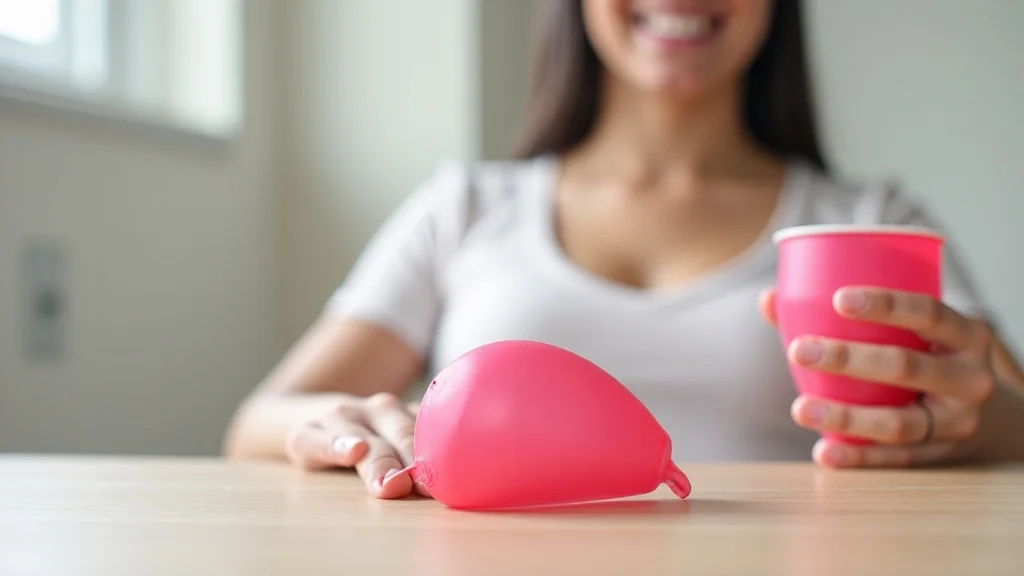
Remember that time Aunt Susan tried to explain menstrual cups at Thanksgiving dinner? Awkward, right? Let’s skip the family drama and get straight to the facts. This guide will walk you through everything you need to know about how to use a menstrual cup, turning a potentially confusing experience into a comfortable one. You’ll learn the ins and outs, from choosing the right size to mastering insertion and removal. By the end, you’ll feel confident and ready to try a menstrual cup for yourself. This will ensure you gain knowledge to help you feel prepared and save you time and money, eliminating waste, and helping the environment.
Key Takeaways
- Discover the different types and sizes of menstrual cups.
- Learn the various folding methods for easy insertion.
- Master the proper techniques for inserting and removing your cup.
- Understand how to clean and care for your menstrual cup for longevity.
- Explore the benefits, and potential drawbacks, of using a menstrual cup.
- Find out how to troubleshoot common issues you might encounter.
Choosing the Right Menstrual Cup
Selecting a menstrual cup can feel like you’re entering a whole new universe. Several factors go into picking the best fit for your body, but with some knowledge and research, you can make the decision with confidence. You’ll want to take into account your age, whether you’ve given birth, your flow volume, and even your cervix height. These all play a role in finding a cup that will comfortably and effectively collect your menstrual flow. Let’s explore these elements in detail and give you a comprehensive understanding so that you can make the right decision.
Types of Menstrual Cups
Menstrual cups are typically made from medical-grade silicone, rubber, or thermoplastic elastomers (TPE). Silicone cups are very popular due to their durability, flexibility, and hypoallergenic qualities. Rubber cups, also a viable option, offer a different feel, but some individuals may have sensitivities. TPE cups represent a different alternative, often considered a middle ground in terms of flexibility and durability. Each material offers its own set of advantages depending on your needs. The choice is often personal, depending on comfort, individual sensitivity, and other factors like budget.
- Silicone Cups: Often a great choice, known for their flexibility, durability, and hypoallergenic properties.
- Rubber Cups: Less common, rubber cups provide a different feel, but suitability can depend on personal sensitivities.
- TPE Cups: A middle-ground option, TPE cups often balance flexibility and durability, appealing to a variety of users.
- Disposable Cups: These are a very convenient option for travel, and are ideal for trying out the use of menstrual cups.
Consider the flexibility of the cup as well. Softer cups are easier to insert, but may take longer to open fully once inside. Firmer cups may be trickier to insert, but are more likely to create a good seal. The stem of the cup can also vary in design. Some have a long stem that can be trimmed for a perfect fit, while others have a ball-like stem for easy removal. Most importantly, choose a cup that suits your comfort and needs.
Assessing Your Flow and Size
Determining your flow volume is a key component to finding the correct menstrual cup size. Light flow users may be able to use a smaller cup, while those with heavier periods might need a larger size to avoid frequent emptying. Keep in mind that the volume capacity of different cups varies, and a larger cup doesn’t necessarily mean it’s right for you. Also, if you have given birth vaginally, or are over 30, a larger size is commonly recommended.
- Light Flow: You may only need to change your pad or tampon every 5-6 hours.
- Moderate Flow: A change is usually required every 3-4 hours.
- Heavy Flow: You may need to change every 1-2 hours.
Menstrual cup sizes generally come in two main types: small (or “size 1”) and large (or “size 2”). The ‘small’ size is usually recommended for those who haven’t given birth vaginally or are under 30. The ‘large’ size suits those who have given birth vaginally or are over 30, and those with a heavier flow. However, these are merely general suggestions. Read the manufacturer’s directions for a more customized approach. Always check the cup’s capacity to ensure it suits your flow.
Checking Your Cervix Height
The position of your cervix also plays an important role in how to choose the right menstrual cup. The cervix, the lower part of your uterus, dips into the vagina during your period. Its height varies among individuals. You need to know the height of your cervix to determine if the cup will sit comfortably inside you. You can determine your cervix height by simply inserting a clean finger into your vagina. If your cervix is close to the opening, you’ll want a shorter cup. If it’s farther up, you can use a longer one. Consider consulting a health professional if you have any questions about this process.
- Low Cervix: A shorter cup, or a cup with a shorter stem, is suitable.
- High Cervix: Most cups will work well, but you may have to trim the stem for comfort.
- Average Cervix: Most standard cups should work well.
Measuring your cervix height is easy. Wash your hands thoroughly. Insert a clean finger into your vagina. You’ll feel your cervix as a small, round bump at the end of your finger. Consider using your finger as a ruler. Then, measure how far into your vagina your finger is inserted to reach it. Alternatively, during your period, you can visit a health professional to determine the height of your cervix. This knowledge ensures you choose a cup that will fit comfortably.
Mastering Insertion and Removal of a Menstrual Cup
Once you have your menstrual cup, knowing how to insert and remove it properly is important for a comfortable experience. This section explores several different folding techniques that make insertion easier. It also covers the step-by-step instructions for insertion and removal. The techniques help prevent leakage, ensure a proper seal, and make the process more comfortable. If you’re a first-time user, practice this a few times before your period begins, so you gain confidence. Over time, insertion and removal will become second nature.
Folding Techniques for Insertion
Folding your menstrual cup is key for a comfortable and easy are several ways to fold the cup, each with its own advantages. Experiment to see which fold works best for you and your body. Always make sure the cup has fully opened after insertion to create a leak-proof seal. The right fold will make insertion smoother and minimize any discomfort.
- The Punch-Down Fold: This is a great starting point for beginners. Pinch the cup, push down one side, and insert the folded end first.
- The C-Fold: Flatten the cup and fold it in half, creating a C-shape. This results in a smaller insertion size.
- The 7-Fold: Fold one corner of the cup down towards the center, then fold the whole thing in half.
- The Triangle Fold: Also creates a small insertion point. Fold the cup in half and then fold the sides into a triangle shape.
The punch-down fold helps with easier insertion because it creates a smaller insertion point. To do this fold, pinch the cup and push one side down into the cup’s center. This results in a very small insertion point. The C-fold involves flattening the cup and then folding it in half. The 7-fold is a great option. Fold a corner down towards the center of the cup. Then, fold the cup in half. This creates a tiny, pointed end. Experiment until you find the fold that works best for you and feels the most comfortable.
Step-by-Step Insertion
After selecting your cup and practicing your folds, the insertion process should be straightforward. Take your time, relax, and make sure you’re comfortable. A good position is critical, so try squatting, sitting on the toilet, or standing with one leg up. With a little practice, you’ll develop your own routine. Remember, it may take a few tries, so do not get discouraged. Keep these points in mind for a stress-free experience.
- Preparation: Wash your hands thoroughly with soap and water, and rinse them well.
- Folding: Fold your cup using your chosen method.
- Insertion: Gently insert the folded cup into your vagina, aiming towards the back.
- Positioning: Once inside, let the cup unfold. You might feel a gentle pop as it opens.
- Checking the Seal: Gently rotate the cup or run your finger around the base to ensure a good seal.
Before you begin, wash your hands with soap and water. Dry them thoroughly. The right position can make a real difference. Try squatting, sitting on the toilet, or standing with one leg raised. Gently insert the folded cup into your vagina. Aim towards your tailbone, not straight up. Once the cup is inside, it should unfold. If it doesn’t, gently rotate the cup or use your finger to help it open. Finally, check for a seal by gently tugging on the stem.
Removal Techniques
Removing your menstrual cup may seem difficult, but with the right technique, it becomes easier. Relaxation is the key. Never pull on the stem directly, as this can cause discomfort. Instead, break the seal first. This will make removal much simpler and prevent any spills. Take it slow, and don’t rush. With each removal, the process will become easier. After removing the cup, empty the contents, wash the cup, and reinsert.
- Preparation: Wash your hands.
- Breaking the Seal: Insert your finger and press on the base of the cup to break the seal.
- Removal: Gently pull the cup down, wiggling it slightly.
- Emptying: Once removed, empty the contents into the toilet or sink.
- Cleaning: Rinse the cup with cold water before washing it with warm water.
To begin, wash your hands to prevent the spread of germs. Then, insert your clean finger and locate the base of the cup. Squeeze or pinch the base of the cup to release the seal. Gently wiggle the cup while pulling it down. Do not pull on the stem, as this can cause pain. Once the cup is out, empty the contents into the toilet or sink. Rinse the cup with cold water. Afterwards, wash the cup with warm water and soap before reinserting it.
Cleaning and Care of Your Menstrual Cup
Maintaining your menstrual cup is vital for hygiene and longevity. This section will guide you through cleaning and caring for your cup. Proper care extends the lifespan of the cup and prevents bacterial buildup. Learn the correct cleaning methods, storage tips, and sanitation practices. Routine maintenance ensures that your cup remains safe and effective for each use.
Cleaning and Sanitizing
Proper cleaning and sanitizing are vital for the health and longevity of your menstrual cup. Regular cleaning after each use helps remove any bacteria, blood, or residue. Deep cleaning or sanitizing, done between periods, removes bacteria to keep the cup in great shape. The goal is to keep your cup fresh, hygienic, and ready for your next cycle. By understanding the proper cleaning techniques, you can ensure a comfortable experience.
- After Each Use: Rinse with cold water first, then wash with warm water and a mild, unscented soap.
- Before and After Your Period: Sanitize by boiling the cup in water for 5-10 minutes.
- Soap Selection: Use only mild, oil-free soaps. Avoid harsh chemicals or scented soaps.
- Drying: Ensure the cup is completely dry before storing it.
After each use, empty the cup and rinse it with cold water to prevent staining. Then, wash the cup with warm water and mild, unscented soap. Avoid soaps that contain oils, fragrances, or harsh chemicals. These can damage the cup and cause irritation. Ensure the cup is thoroughly dry after cleaning before storing it. Before and after your period, it’s essential to sanitize your cup. Boil it in water for 5-10 minutes. This process eliminates any lingering bacteria.
Storage and Maintenance
Proper storage is important for preserving your menstrual cup. Keeping your cup in a cool, dry place away from direct sunlight is crucial. The right storage environment protects the silicone from damage and extends its life. In addition to storage, consider the maintenance tips. These include regular inspection, and knowing when to replace your cup. These practices are essential to keeping your cup in excellent condition for the long term.
- Storage: Store your cup in a breathable pouch or bag. Avoid airtight containers.
- Avoid: Do not store your cup in direct sunlight, or near strong chemicals.
- Inspection: Regularly check your cup for any cracks, tears, or discoloration.
- Replacement: Replace your cup as recommended by the manufacturer, usually every few years.
Keep your menstrual cup in a breathable pouch or a cotton bag. The pouch that came with your cup is perfect. Avoid storing your cup in airtight containers, which can trap moisture and promote bacterial growth. Protect your cup from direct sunlight and harsh chemicals. Before each use, inspect your cup carefully for any signs of damage. Any cracks, tears, or discoloration should lead to replacing your cup immediately. Following these guidelines ensures that your cup will continue to perform well and keep you safe.
Troubleshooting Common Issues
Even with practice, you might encounter issues. This section will address some of the most common problems you may have. It will explain how to address these situations effectively. From leaks to difficulty removing the cup, we’ll cover the things you need to know. Remember, most of these problems are fixable. With a bit of knowledge and some patience, you will become comfortable with the menstrual cup.
Dealing With Leaks
Leaks are one of the most common concerns. But, don’t worry, there are solutions to minimize leaks. The first step is to ensure that the cup is completely open inside of your body and forms a good seal. If you continue to experience leaks, it’s time to troubleshoot. The tips provided below may solve the problem. Practice, patience, and a little adjustment are often all that is needed to correct the issue and reduce leakage.
- Proper Seal: Ensure the cup has fully unfolded and created a seal.
- Correct Placement: Make sure the cup is positioned correctly inside your vagina.
- Cup Size: Ensure that the cup’s size is appropriate for your flow.
- Cervix Positioning: Ensure that the cup encompasses your cervix.
A leak can happen when the cup does not form a tight seal against the vaginal walls. To fix this, rotate the cup slightly or gently tug on the stem. Also, make sure the cup is positioned correctly, fully covering your cervix. Sometimes, using a different folding technique or trying a different cup size may fix the problem. Additionally, you can try different brands of cups. The right one will reduce leakage and ensure greater comfort during your period.
Troubleshooting Difficulties With Insertion
Inserting a menstrual cup can seem complicated at first, but with a bit of practice, it becomes easier. If you’re finding insertion difficult, try different folds. The right fold will make insertion easier. Remember to relax. Also, experiment with different positions. A comfortable position makes a big difference. With practice, you will discover the techniques that work best for you. If you keep these tips in mind, you will improve each time.
- Use Lubricant: Apply a water-based lubricant to the rim of the cup.
- Experiment With Folds: Try different folding methods to find the most comfortable.
- Relax: Tense muscles can make insertion difficult, so be sure to relax.
- Practice: Try inserting and removing the cup a few times before your period.
Using a water-based lubricant can help. Simply apply it to the rim of the cup. Experiment with different folding techniques to find what is most comfortable for you. Being relaxed is essential. Try squatting, sitting, or standing with one leg up to see which position is easiest. Sometimes, it’s best to take a break and try again later. With practice, insertion becomes easier and less intimidating.
Common Myths Debunked
There are many misconceptions about menstrual cups. Let’s debunk some common myths about them. Knowing the truth is crucial to making an informed decision about this menstrual product. From safety concerns to ease of use, we’ll address and
Myth 1: Menstrual Cups Are Difficult to Use
While inserting and removing a menstrual cup may seem challenging at first, it often becomes a skill that you can master. The key is practice and patience. After a few cycles, most people find the process easy and efficient. Choose the right cup size, experiment with folding techniques, and make sure you’re comfortable with both insertion and removal. The learning curve is short, and the benefits often outweigh the initial effort.
Myth 2: Menstrual Cups Can Get Lost Inside You
This is physically impossible. The vagina is not a bottomless pit. The cervix blocks the cup from going any further. Menstrual cups are designed to sit in the vaginal canal and not to travel inside your body. The stem of the cup allows you to easily find and remove it. With a little care, the cup will always remain within reach. Remember that the vaginal canal is only about 3-4 inches long.
Myth 3: Menstrual Cups Are Unhygienic
Menstrual cups are, in fact, an eco-friendly option that is quite hygienic when used correctly. The cups are made from medical-grade materials, and they can be cleaned and sanitized. By boiling the cup, you can easily remove bacteria, which maintains the cup’s hygiene. Proper cleaning and care practices are vital. So, clean your cup carefully, and follow the instructions provided by the manufacturer. You can enjoy a clean and healthy experience.
Myth 4: Menstrual Cups Are Only for Women Who Have Had Children
This is not true. While larger cup sizes are generally recommended for people who have given birth vaginally, smaller sizes are made for those who have not. The size of the cup should depend on your individual needs. Your age, flow, and cervix position also matter. Whether you have had children should not be the only factor in your decision. Manufacturers provide detailed information to help you pick the right size.
Frequently Asked Questions
Question: How often do I need to empty my menstrual cup?
Answer: This depends on your flow. Generally, you can empty your cup every 12 hours. However, those with a heavier flow may need to empty the cup more often.
Question: Can I use a menstrual cup overnight?
Answer: Yes, you can use a menstrual cup overnight, but ensure you empty it before bed.
Question: Can I wear a menstrual cup when I work out or swim?
Answer: Yes, you can wear a menstrual cup while exercising or swimming. It will remain securely in place.
Question: What should I do if my menstrual cup leaks?
Answer: Check for a proper seal. You can also try a different folding technique, ensure proper placement, and consider another cup size.
Question: How long do menstrual cups last?
Answer: They can last for several years with proper care.
Final Thoughts
Now that you know how to use a menstrual cup, you are well on your way to a more comfortable, eco-friendly period. You have explored the different sizes, folding techniques, and . Go ahead and start exploring the benefits!