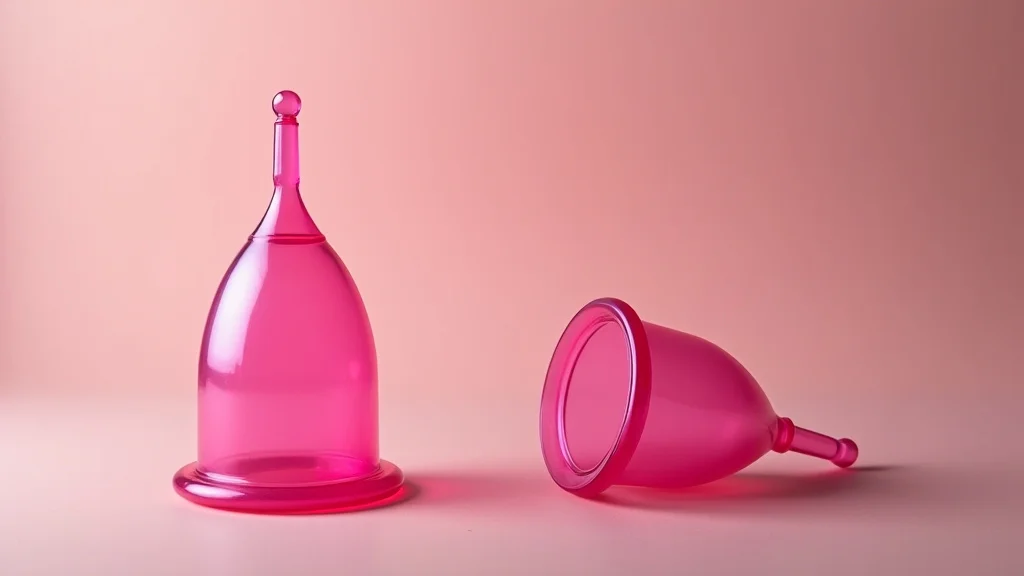
Picture this: you’re on a long-awaited camping trip, and your period arrives, completely disrupting your plans. You forgot to pack enough pads, and the nearest store is miles away. Sounds familiar? Many women find managing their periods can be a hassle. This is where the menstrual cup comes in. This guide will provide a deep dive into what is a menstrual cup, its advantages, how to use it, and address common misconceptions. You’ll gain a thorough knowledge of this alternative period product, making an informed decision if it’s right for you, which will change your period experience. Prepare for a more comfortable and eco-friendly approach to managing your period.
Key Takeaways
- A menstrual cup is a reusable, bell-shaped device for collecting menstrual fluid.
- You’ll learn about the different types of menstrual cups available and how to choose the right one.
- Discover the benefits of using a menstrual cup, including cost savings and environmental advantages.
- Understand the steps involved in inserting, removing, and cleaning a menstrual cup.
- Address common concerns and myths surrounding menstrual cup usage.
- Gain insights into how the menstrual cup can improve your menstrual hygiene.
Menstrual Cups Unveiled What You Need to Know
The menstrual cup has gained popularity as a reusable and sustainable alternative to traditional period products like pads and tampons. But, what exactly is it? It is a small, flexible cup made from medical-grade silicone, rubber, or thermoplastic elastomers (TPEs). This guide explores the different aspects of the menstrual cup, exploring its design, materials, and benefits. By gaining this information, you can decide if the menstrual cup is the right choice for managing your monthly cycle.
The Anatomy of a Menstrual Cup
A menstrual cup is designed with several key parts that work together to collect menstrual fluid effectively and comfortably. Understanding each part ensures proper use and a better experience. The primary component is the cup’s body, which is shaped like a bell or a cone. This is the part that collects the menstrual flow. The rim of the cup is the top edge that creates a seal against the vaginal walls to prevent leaks. Many cups feature a stem at the base, used for easy removal, but some cups may not have it. Additionally, some cups may have ridges or small holes near the rim, which are designed to break the seal during removal.
- The Cup Body: The main part of the menstrual cup, which is the area for collecting menstrual fluid. This part can hold a significant amount of fluid, usually more than tampons or pads.
- The Rim: The upper edge of the cup, which creates a seal against the vaginal walls.
- The Stem: A small handle at the base to aid in removal.
- Air Holes: Small holes located near the rim for easy removal.
The capacity of the cup varies, but it typically holds between 10 to 30 milliliters (ml) of fluid. It is made of flexible materials, such as medical-grade silicone, which is biocompatible and safe for use inside the body. Silicone is non-porous, meaning it does not absorb fluids or bacteria, making it hygienic and easy to clean. The size of the cup can be different, so it is important to choose the right size for your flow and body type.
The rim is a crucial part of the menstrual cup, forming a seal that prevents leaks. The rim’s flexibility and shape, which is often rounded, allow it to conform to the shape of the vaginal canal, creating a secure seal. This feature ensures that the menstrual fluid is effectively captured and held within the cup. A proper seal is critical for preventing leaks and ensuring comfort. The user should be able to move freely without worrying about leakage. Before insertion, the rim needs to be folded. Some common folding methods include the punch-down fold, the C-fold, or the origami fold, depending on the cup’s design and personal preference.
The stem helps with the removal process of a menstrual cup. It is designed to be a grab point, giving the user something to hold onto while breaking the seal and pulling the cup out. The stem can be smooth or textured, depending on the design. Some cups have stems that can be trimmed for comfort; others do not have a stem at all. The length and shape of the stem can vary. It is important to find a stem that is both comfortable and effective for easy removal, as it is a crucial component of the device’s usability.
Air holes are tiny openings that play a significant role in the function of a menstrual cup. These are usually located near the rim, providing a way to break the seal when removing the cup. When a cup is inserted, it creates a gentle vacuum seal against the vaginal walls to prevent leaks. The air holes allow air to enter, which releases the suction, making removal easier and more comfortable. Without these holes, removing the cup could be difficult or even painful. They are also essential for the cup to sit correctly in the vagina. Their presence ensures that the cup stays in place while allowing for easy and pain-free removal. They are an often-overlooked yet critical design element.
Materials Used in Menstrual Cups
The materials used in menstrual cups are chosen for their safety, flexibility, and durability. These materials need to be biocompatible, meaning they won’t react with the body or cause any adverse health effects. Medical-grade silicone is the most common material because it is non-porous, making it hygienic. Some cups are made from thermoplastic elastomers (TPEs) or rubber, but silicone remains the popular choice. Understanding the composition helps users choose a product that suits their needs, ensuring both safety and comfort.
- Medical-Grade Silicone: The most popular material for menstrual cups.
- Thermoplastic Elastomers (TPEs): An alternative material known for its flexibility.
- Rubber: Often used in the early models, though less common now.
Medical-grade silicone is a key material in the construction of menstrual cups, widely favored due to its numerous advantages. It is a highly biocompatible material, making it safe for use inside the body and reducing the risk of allergic reactions. Silicone is non-porous, which means it doesn’t absorb bacteria or odors, ensuring a hygienic experience. It can be easily cleaned, making maintenance simple. This is an important factor. It is highly flexible, allowing the cup to comfortably conform to the vaginal canal. It is durable, and cups can last for years. The non-toxic properties of medical-grade silicone make it a safe and sustainable choice for menstrual hygiene.
Thermoplastic elastomers (TPEs) are an alternative option in the production of menstrual cups. TPEs are a group of plastic-like polymers known for their flexibility, durability, and resilience, which makes them suitable for menstrual cups. They are BPA-free and hypoallergenic, reducing the chances of irritation or allergic reactions. TPEs are often less expensive than silicone, making cups made from this material more affordable. While they share several benefits with medical-grade silicone, they might not be as durable and can degrade over time. The material’s overall properties make it a viable choice for menstrual cups, providing a balance between cost, performance, and safety.
Rubber was initially used in the development of menstrual cups. However, due to several factors, it is less common today. Natural rubber can cause allergic reactions in some individuals, which makes it less suitable for products meant for internal use. It is also less durable compared to other materials like silicone and TPEs, potentially leading to a shorter lifespan. Rubber is porous, meaning it can absorb bacteria and odors, which can compromise hygiene. Though early models used rubber, modern menstrual cups primarily use silicone and TPEs. These are chosen for their safety, durability, and biocompatibility, as they have advanced the performance of menstrual cups significantly.
The Benefits of Using a Menstrual Cup
Switching to a menstrual cup can transform your period experience. They offer significant advantages over traditional period products, making them a popular choice. The benefits extend beyond personal hygiene. These include cost savings, environmental impact, and increased comfort. Let’s look at why more and more individuals are embracing this option for managing their periods. These are the advantages that often lead people to make the switch.
Cost Savings and Environmental Impact
One of the top benefits of using a menstrual cup is the potential for significant cost savings over time. Unlike disposable products like pads and tampons, menstrual cups are reusable. You only need to purchase one cup, which can last for several years with proper care. This feature makes it a cost-effective choice. It also has an environmental advantage. Because they are reusable, they significantly reduce waste. Considering that disposable period products contribute to landfills and are not biodegradable, choosing a menstrual cup is an eco-friendly option. By using a cup, you’re making a choice to protect the planet.
- Cost Savings: Reusable cups reduce long-term expenses.
- Reduced Waste: Contributing to less landfill waste.
- Eco-Friendly Packaging: The menstrual cup is usually packaged with minimal materials.
One of the most appealing advantages of menstrual cups is their potential for considerable financial savings. Since cups are reusable and can last for several years, the initial cost is offset over time. The ongoing expenditure on disposable products can add up significantly over the years. By purchasing a menstrual cup, you make a one-time investment. The cost savings depend on the brand, and your needs, but they can be substantial. This cost-effectiveness makes them an economical alternative for managing your period. This can be especially important for individuals on a budget, providing a more affordable option for menstrual hygiene.
Using a menstrual cup is a significant step towards reducing environmental impact. Traditional period products, like pads and tampons, generate a substantial amount of waste that ends up in landfills. These items are not biodegradable, meaning they do not break down naturally. They remain in landfills for many years, contributing to pollution. A menstrual cup is reusable and can last for several years. By switching to a menstrual cup, you’re reducing the amount of waste generated. This makes it an environmentally conscious choice. It is a simple shift to a more sustainable lifestyle. It has an impact on the health of our planet.
Another advantage of menstrual cups is their eco-friendly packaging. Many brands of menstrual cups are packaged with minimal materials, such as recycled cardboard or biodegradable materials. This approach reduces the overall waste. This contrasts with disposable period products, which often come in individually wrapped plastic applicators and packaging. By choosing a product with eco-friendly packaging, you are supporting brands committed to reducing their environmental footprint. This is a small shift that makes an impact. It aligns with the growing desire to live more sustainably and make conscious purchasing choices.
Comfort and Convenience
In addition to their financial and environmental benefits, menstrual cups offer several advantages in terms of comfort and convenience. They are designed to be comfortable and discreet. They allow for more freedom of movement than some traditional methods. Unlike pads and tampons, which need frequent changing, a menstrual cup can be worn for up to 12 hours. This can be a huge advantage for people who lead active lifestyles or those who prefer fewer interruptions during their day. Let’s look at the ways that a cup enhances the user experience.
- Extended Wear Time: Allowing for up to 12 hours of wear.
- Reduced Risk of Leaks: Providing a secure seal to minimize leakage.
- No Odor: The menstrual flow is contained within the cup.
One of the key benefits of using a menstrual cup is its extended wear time. Depending on your flow, a menstrual cup can be worn for up to 12 hours before needing to be emptied. This long wear time is a significant advantage over tampons, which need to be changed every 4-8 hours. It offers greater convenience and flexibility. This is especially helpful during travel, overnight, or busy days. It reduces the need for frequent trips to the restroom. It allows for a more continuous experience. The extended wear time of a menstrual cup simplifies your routine and provides more peace of mind.
The design of the menstrual cup effectively minimizes the risk of leaks, offering more peace of mind during your period. The cup forms a seal against the vaginal walls, which prevents blood from escaping. This secure fit is a notable advantage over pads or tampons, which can shift or leak. A properly inserted menstrual cup provides a reliable, secure barrier. Many users report fewer leaks compared to traditional methods. This reliability increases comfort and confidence, allowing the wearer to stay active and feel secure throughout the day and night.
One of the lesser-known advantages of the menstrual cup is its ability to reduce or eliminate period odors. Since the menstrual fluid is collected internally within the cup and is not exposed to air, the bacteria that cause odor have less chance to develop. This feature contrasts with pads, which can create a warm, moist environment. This environment may cause odors. This feature can be a relief. It provides a more fresh and hygienic experience. The absence of odor enhances comfort. It gives you added confidence, as you can feel comfortable and fresh throughout the day.
How to Use a Menstrual Cup A Step-by-Step Guide
Using a menstrual cup might seem complex at first, but with practice, it becomes easy. This section will guide you through the process, from choosing the right cup to inserting, removing, and cleaning it. Each step has explanations to make sure you use the cup effectively. It’s about being comfortable and gaining confidence in your period care. This section equips you with the knowledge to use a menstrual cup.
Choosing the Right Menstrual Cup
Selecting the right menstrual cup involves considering your body type, menstrual flow, and lifestyle. There is not a single “best” cup for everyone, so you’ll need to assess your unique needs. Factors to consider when selecting a menstrual cup are essential for a comfortable and effective experience. These factors help guarantee that you pick a cup that works for you.
- Size: Choose the right size based on your age and whether you’ve given birth.
- Material: Medical-grade silicone or TPE for safety and comfort.
- Firmness: Decide the firmness of the cup for proper insertion and seal.
Choosing the correct size is a crucial first step for anyone starting with a menstrual cup. Cups are available in different sizes, typically labeled as size A or B, or small and large. Size is often determined by a user’s age and childbirth history. Smaller cups are generally recommended for younger individuals or those who have not given birth vaginally. Larger cups are usually recommended for those who have given birth vaginally or who have a heavier flow. It’s important to understand your body and flow. Reading reviews and comparing measurements will help you pick a cup. This helps you get a cup that fits comfortably and effectively.
Selecting the right material is an important factor. Menstrual cups are typically made from medical-grade silicone or thermoplastic elastomers (TPEs). Medical-grade silicone is the most common and popular choice due to its inert properties, making it non-reactive with the body and easy to clean. TPEs are another option that’s often BPA-free and hypoallergenic. They provide flexibility and a good fit. When choosing, consider any potential allergies. Read product details to ensure the material is safe for you. Checking the material is a key step. It helps ensure that your cup is both comfortable and safe to use.
The firmness of a menstrual cup impacts both comfort and effectiveness. Cups come in various firmness levels, from soft to firm. Softer cups are often easier to compress and insert. This makes them a good option for beginners. They can also be a better choice for those with sensitive vaginal walls. Firmer cups may be easier to open once inserted, helping to create a better seal. Firmer cups might be preferred by individuals with stronger vaginal muscles. Find the right firmness level that matches your needs. Take into consideration your body’s sensitivity and the strength of your vaginal muscles. Selecting the right firmness level is key for a comfortable and effective experience.
Inserting and Removing a Menstrual Cup
The technique for is a step-by-step guide to inserting and removing your menstrual cup.
- Preparation: Wash your hands and the cup thoroughly with soap and water.
- Folding the Cup: Choose a folding method for easy insertion.
- Insertion: Insert the folded cup into your vagina.
- Removal: Break the seal and remove the cup.
- Emptying and Cleaning: Empty the cup, rinse it, and reinsert it.
Before inserting a menstrual cup, it’s essential to prepare both the cup and your hands. Start by washing your hands thoroughly with warm water and soap. This ensures that any bacteria or germs are removed. You should wash the cup with warm water and a mild, unscented soap. This cleaning step makes the cup hygienic and ready to use. This simple but important step will help to reduce the risk of infection and keep you safe. Following these steps sets the stage for a safe and comfortable experience.
Folding the menstrual cup makes the insertion process easier and more comfortable. Several folding techniques are commonly used. These include the C-fold, punch-down fold, and the origami fold. The C-fold involves flattening the cup and folding it in half. The punch-down fold involves pushing one side of the cup inward. The origami fold is more complex. Each method makes the cup smaller for insertion. Try a few methods to find the one you find easiest. With practice, you will discover the fold that provides the most comfort. The goal is to make the cup as compact as possible. This makes insertion easier and reduces discomfort.
When inserting the folded menstrual cup, find a comfortable position. You can squat, stand with one leg elevated, or sit on the toilet. Gently separate your labia with one hand. Then, insert the folded cup into your vagina, aiming it towards your tailbone. The cup should be fully inside the vagina. This will ensure that the stem is inside your vagina. Once the cup is inside, it should pop open and create a seal. This can be confirmed by gently rotating the cup or running your finger around the base. Making sure the cup opens correctly is important to prevent leaks and maximize its effectiveness. Gently inserting the cup is a key factor. It will make the process easier and less uncomfortable.
To remove the menstrual cup, first, wash your hands thoroughly. Get into a comfortable position. Gently pull on the stem of the cup until you can feel the base. To break the seal, pinch the base of the cup to release the suction. Carefully pull the cup downward and out of the vagina. Be cautious when removing the cup to avoid spilling the contents. Removing the cup gently is important to reduce discomfort. Be mindful of the position to prevent any spills. Removing the cup smoothly helps to keep the process both easy and efficient. The key is to break the seal and remove the cup slowly.
Once you have removed your menstrual cup, empty its contents into the toilet. Rinse the cup thoroughly with cold water. Then, wash it with mild, unscented soap. Ensure you clean the air holes, as well. You can then reinsert the cup, following the steps for insertion. Regular cleaning helps to maintain hygiene and prevent any bacteria build-up. Always wash your hands before and after handling the cup. This is an important part of the menstrual cup routine. Thorough cleaning will help you ensure a clean and comfortable experience.
Cleaning and Maintenance of Your Menstrual Cup
Caring for your menstrual cup is a key aspect of using it safely and effectively. Regular cleaning and proper storage extend its lifespan and maintain hygiene. It will also help to keep your cup in good condition for years. This section provides an easy-to-follow guide for cleaning and storing your menstrual cup.
- Cleaning: Rinse and wash the cup with soap and water after each removal.
- Sterilization: Sterilize your cup before your period and at the end.
- Storage: Store the cup in a breathable pouch.
Regular cleaning is a key step to maintaining the hygiene and effectiveness of your menstrual cup. After removing your cup, you should empty its contents into the toilet. Rinse the cup thoroughly with cold water to remove any menstrual fluid. Then, wash the cup with mild, unscented soap. Make sure to clean the air holes. This helps remove any buildup. Ensure that you have thoroughly cleaned your cup before reinserting it. Cleaning is important to ensure your cup is hygienic and ready for use. This will keep it clean and comfortable.
Sterilization is a must to keep your menstrual cup free from germs. You can sterilize your cup by boiling it in water for 5-10 minutes. Use a pot dedicated only to this purpose. Make sure the cup does not touch the bottom of the pot. You can also use a microwave sterilizer. Make sure to follow the manufacturer’s instructions. Before your period and after your period ends, sterilize the cup. This process eliminates any bacteria and ensures the cup is safe to use. You can sterilize it for the first time before your period. Then, sterilize it again at the end of your cycle. This process maximizes the longevity of your cup.
Proper storage is important to keep your menstrual cup in good condition. After cleaning and sterilizing your cup, store it in a breathable pouch or bag. Avoid storing it in airtight containers. This can trap moisture. Exposure to air is important. Place it in a dry, clean place until your next period. Properly storing your cup helps to prevent mold and mildew. Following these simple steps ensures that your menstrual cup is protected and ready for use. Proper storage is a good method for keeping your cup safe.
Common Myths Debunked
Many misconceptions surround the use of menstrual cups. Separating fact from fiction helps to clarify any confusion. This will provide you with a clearer idea of how to use a cup. Knowing the truth will eliminate concerns. The following sections address common myths about menstrual cups. Understanding these points helps to make the use of a cup understandable.
Myth 1: Menstrual Cups Are Difficult to Use
Many people think menstrual cups are hard to use, but this is a common myth. While there’s a learning curve to are many folding methods. It will be easier to choose the method that works best for you. Patience and practice are the keys to successful cup usage. Once you become familiar, you will learn how easy it can be to use a cup.
Myth 2: Menstrual Cups Can Get Lost Inside You
The fear of a menstrual cup getting lost inside the body is a common misconception. The vaginal canal is not infinite; it ends at the cervix. This means a menstrual cup can’t travel beyond the cervix. The stem of the cup is designed for easy removal. Although the cup might move further up the vagina, it can be easily retrieved with the aid of the stem or by reaching in to grasp the base. So, there is no risk of a menstrual cup getting lost inside your body.
Myth 3: Menstrual Cups Are Unhygienic
Some people believe menstrual cups are unhygienic, which is not true. In fact, when used and cleaned correctly, they can be a hygienic alternative to other period products. They are made of non-porous materials like medical-grade silicone. This doesn’t absorb bacteria. Proper cleaning, including washing with soap and water and sterilizing between cycles, maintains hygiene. They collect the menstrual fluid, so it doesn’t get exposed to air. Therefore, they are as hygienic as other methods, if not more so.
Myth 4: Menstrual Cups Are Only for People Who Have Given Birth
The notion that menstrual cups are only appropriate for those who have given birth is untrue. Menstrual cups are available in various sizes. This accommodates people of all ages and body types, including those who have never been pregnant. Size depends more on age and menstrual flow than pregnancy history. Anyone can use a menstrual cup, as long as they select the right size and type for their body. The key is to select the correct size and follow the instructions for use.
Myth 5: Menstrual Cups Cause Infections
There is a concern that menstrual cups may cause infections. This is a common myth that can be dispelled with proper care. Menstrual cups, when used correctly, don’t cause infections. They are made of non-porous, medical-grade materials that don’t allow bacteria to grow. The risk of infections is minimal. Infections arise if the cup is not properly cleaned or if it’s left in too long. By cleaning, sterilizing, and inserting and removing the cup, you can reduce the chances of developing infections. So, with proper care, menstrual cups are a safe option.
Frequently Asked Questions
Question: How often should I empty my menstrual cup?
Answer: Depending on your flow, you may need to empty your cup every 8-12 hours. It is best to know your flow.
Question: Can I use a menstrual cup if I have an IUD?
Answer: It is advisable to consult your doctor before using a menstrual cup with an IUD to ensure it doesn’t interfere with the IUD placement.
Question: What if I have trouble removing my menstrual cup?
Answer: Relax, and try different positions. Pinch the base of the cup to break the seal and gently pull it out. If you cannot do so, seek medical advice.
Question: Can I wear a menstrual cup while swimming or exercising?
Answer: Yes, you can wear a menstrual cup while swimming or exercising. The cup will stay in place, and you won’t experience leaks.
Question: How long does a menstrual cup last?
Answer: With proper care, a menstrual cup can last for several years.
Final Thoughts
Now that you have a comprehensive idea of what is a menstrual cup and how it works, you have the necessary knowledge to make an informed choice for your period care. This guide covered the basics, from the design and materials to the numerous benefits it offers. You can also explore the insertion, removal, and cleaning processes. Remember, using a menstrual cup offers cost savings, environmental advantages, and unmatched convenience. The myths that surround the use of a menstrual cup are now dispelled. You have all the information necessary to evaluate if the cup is the right option for you. Feel confident in making your choice. Embrace a period experience that is more sustainable, comfortable, and simple by selecting a menstrual cup. You will be able to improve your experience. Explore the difference it makes.