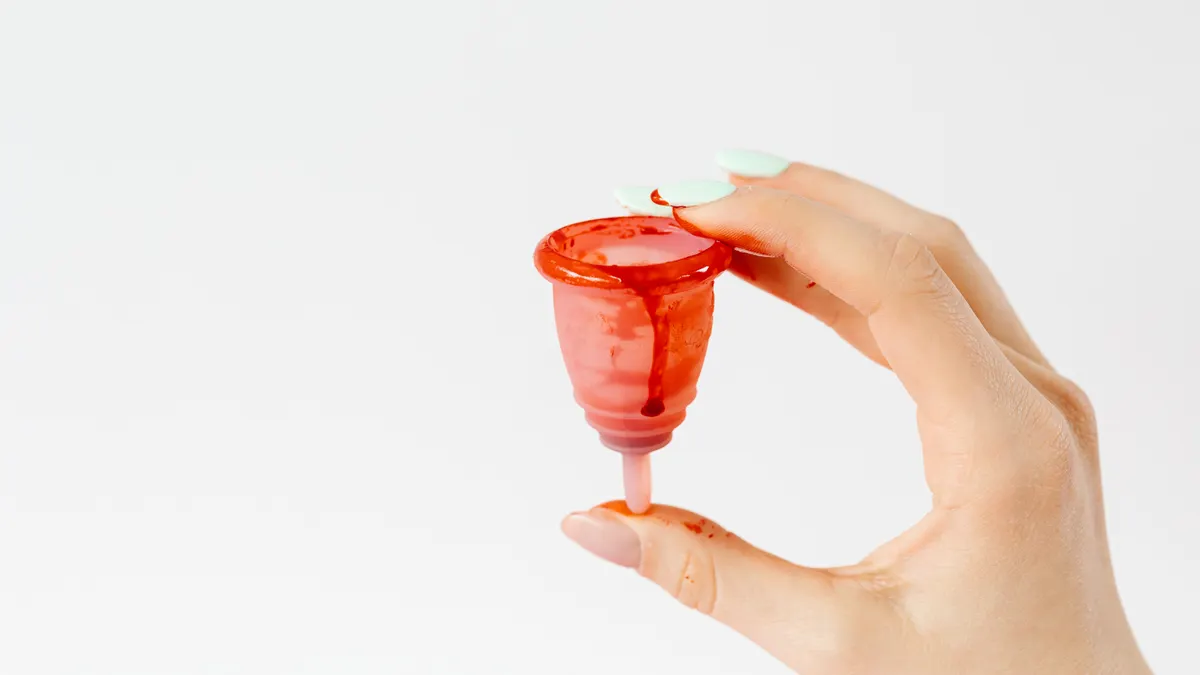
Last updated: October 30, 2026
Three steps. That is the usual shape of it: relax, break the seal, then ease the cup out slowly. In this article on how to remove a menstrual cup without pain or spills, the aim is controlled removal, not perfection. Pulling straight out while the seal is still tight is what usually causes pain and spills; when the cup feels stuck, bear down gently, stay calm, break the seal, and work it out in stages instead of yanking.
Key Takeaways
- Have a toilet, clean hands, and a spot for the cup if you will not rinse it right away.
- Pain on removal usually means the cup is partly sealed, your muscles are tense, or it is being pulled too early.
- Break the seal by pinching the base of the cup, not the stem.
- For spill control, keep the cup upright, remove it over the toilet, and empty it before it tips.
First, get the setup right before you start
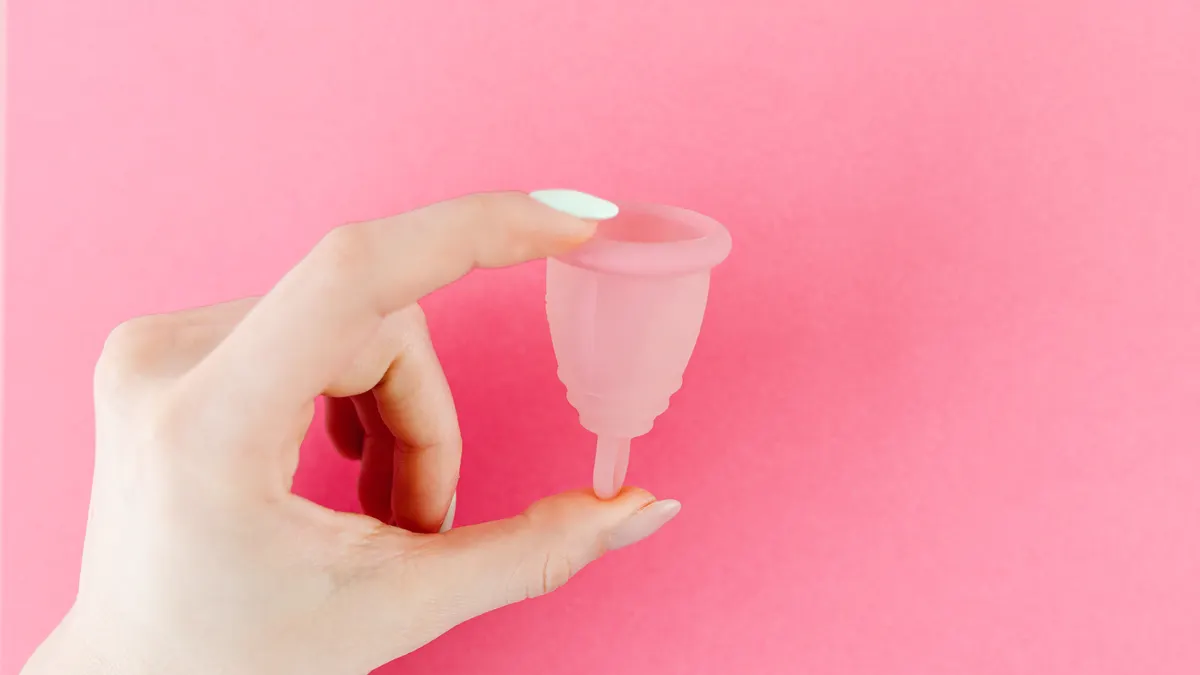
A toilet, clean hands, and somewhere to set the cup down are the basics if you do not want to rinse it immediately. A sink nearby helps, but it is optional. Most spills happen in the last 5 centimeters, not while the cup is still high up. The World Health Organization says clean hands matter here, and CDC handwashing guidance still recommends 20 seconds with soap and water.
Wash your hands with soap and water for at least 20 seconds before you begin. Trim long nails if you can; sharp edges make removal less comfortable and can scratch vaginal tissue. If your cup has a stem, use it to locate the cup, not to drag it out by force. Pulling only on the stem keeps the seal intact, which is why the cup can feel glued in.
Honestly, removal is messier than a tampon change. There is no perfectly spill-proof method once the cup is full, tilted, or sitting low after several hours. The point is not zero mess forever; it is a controlled removal over the toilet or in the shower. Menstrual cup brands commonly note that cups can be worn for up to 12 hours, which is why some removals happen after a full day.
If this is your first time and you want the broader setup around insertion and cup basics, the menstrual cup basics and first-time setup pages should be the next tabs you open, not this one. This page stays with removal only.
How to remove a menstrual cup step by step
Relax, bear down a little, pinch the base, keep the cup upright, and empty it slowly. That sequence matters because each move reduces suction before the cup passes the vaginal opening.
-
Wash your hands and get into a stable position.
Sit on the toilet, squat in the shower, or stand with one foot on the tub edge. Choose the position where your pelvic floor can stay relaxed for 1 to 2 minutes. You should feel steady, not strained. -
Relax your vaginal muscles and bear down gently.
Push as if you are starting a bowel movement, but only lightly. The cup drops a small amount, which makes it easier to reach. If you feel it move closer to the opening, the step worked. -
Find the base of the cup, not just the stem.
Reach for the bottom of the cup with two fingers. The stem can help you locate it, but the base is where you break the seal. If the cup is too high to touch, bear down once more and try again after a few seconds. -
Pinch the base to break the seal.
Squeeze the bottom of the cup until you feel or hear a tiny release. That is the seal letting go. Once the suction is gone, the cup should move more freely. If it still feels stuck, pinch again a little higher on the body of the cup. -
Keep the cup upright while you slide it out slowly.
Move it side to side only as much as needed to clear the vaginal opening. Keep the cup as vertical as possible so the contents stay inside. If the cup tilts and starts to pour, pause, lower it over the toilet, and empty it there. -
Empty the cup once it is fully out.
Tip it into the toilet or sink. If you are avoiding splashes, hold the top lip of the cup steady and pour the contents in a controlled stream. Once empty, inspect the cup for any folding, cracks, or residue before cleaning it later. -
Rinse or reinsert only when you are ready.
A damp cup can be harder to hold, so take your time. If you are changing it in a public restroom, wipe it with clean toilet paper if needed and reinsert it when your hands are clean and dry again.
What to do if the cup hurts coming out
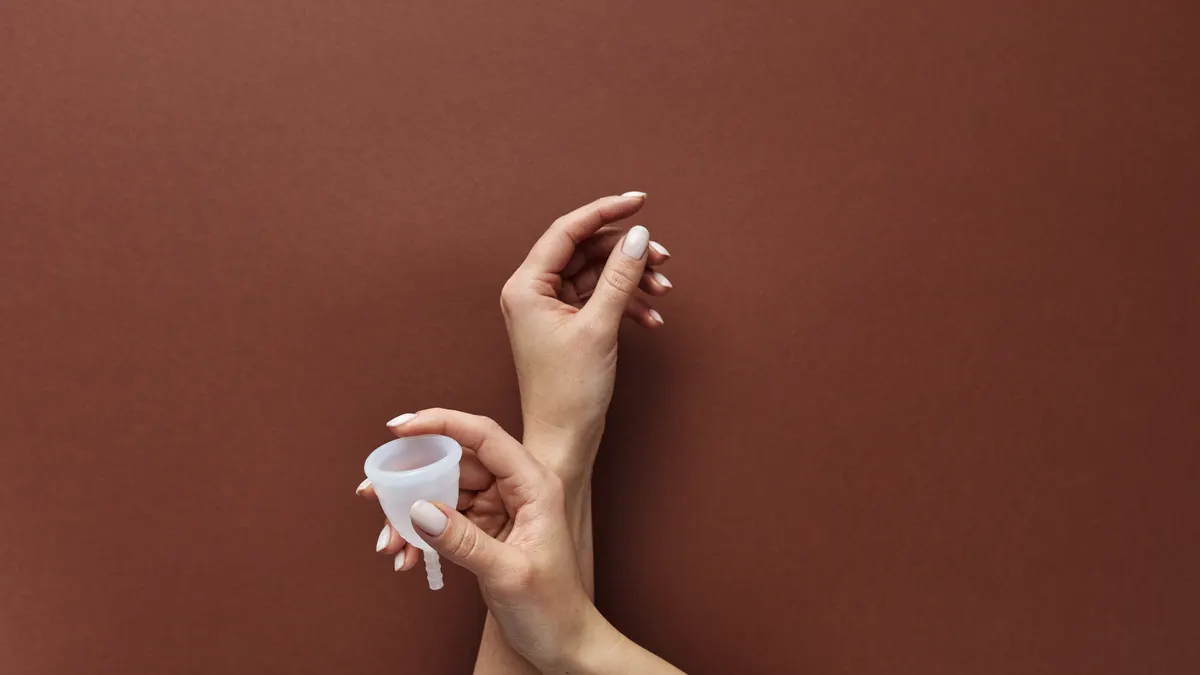
Pain on removal usually means the cup is still partly sealed, the muscles are tense, or the cup is being pulled through the opening before it is low enough. The fix is to stop pulling and change the angle.
The most common mistake is grabbing the stem and yanking. That keeps suction in place and can make the cup feel sharper or tighter on the way out. Instead, let the cup come down with gentle bearing down, then pinch the base. If your fingers cannot reach the base, wait 10 to 20 seconds, relax your belly, and try again.
Dryness can be the culprit too. At the end of a shorter wear or on a lighter-flow day, the cup may not have much lubrication around it, which can make the rim feel less forgiving. Move slowly and keep the cup angled slightly off-center; that usually helps. You do not need force; you need room.
If you feel a stinging sensation at the opening, check whether the cup is being pulled while still opened wide. A cup should not be dragged out in a rigid, fully expanded shape. Break the seal first, then let the cup collapse a little as it exits. That small change is often the difference between discomfort and a smooth removal.
Body position matters here too. A full standing position can tighten the pelvic floor. Squatting, sitting, or placing one foot up may give you a better angle. If your body tenses every time, pause for a slow breath before trying again. Pain is often a sign to slow down, not to push harder. If pain is severe or keeps happening, check with a clinician.
How do you break the seal on a menstrual cup?
Pinch the base of the cup, not the stem. That tiny squeeze releases the suction between the rim and the vaginal walls, which is what makes the cup easier and safer to remove.
If the cup is low enough to touch, use two fingers to squeeze the bottom until you feel it release. If the base is slippery, dry your fingers on toilet paper first. If you can only reach the stem, use it to bring the cup lower, then switch to the base. The seal can stay tight even when the cup looks close to coming out.
A gentle bear down first can help. It may drop the cup 1 to 2 centimeters, just enough to make the base reachable. If the cup still feels locked in, do not tug harder. Reset, breathe, and try the pinch again from a slightly different angle. That math stops working fast once you start pulling harder.
How to avoid spills and leaks during removal
Keep the cup upright, remove it over the toilet, and empty it before it tips. Most leaks happen in the last few centimeters, when the cup tilts under finger pressure or shifts as you stand up.
Hold the cup low and close to the toilet bowl before you fully tip it. If your cup is very full, expect some movement of liquid as soon as the seal breaks. That is normal. What you want to avoid is lifting a half-open cup straight upward, because that lets the contents slosh across your hand or leg.
A good trick is to keep one hand ready under the cup as a backup catch, especially on heavier days. Some people also prefer the shower for the first few removals because cleanup is easier. That is a convenience choice, not a requirement.
With soft cups, be extra careful not to squeeze so hard that it buckles and dumps early. Soft silicone can collapse unpredictably once the seal is broken. Firm cups can be easier to guide but may feel more noticeable on removal. Neither is wrong; the difference is how much control you get from the rim and base.
The trade-off is simple: slower removal usually means fewer spills. Rushing usually means drips. A few extra seconds at the toilet saves a lot of cleanup. For more setup and cleaning context, see how to clean a menstrual cup.
Common removal mistakes that make things worse
Pulling on the stem alone is the biggest mistake, and it costs you comfort. It keeps suction in place, so the cup resists movement and can feel harder to remove than it really is. Use the stem only as a guide to find the cup, then move to the base.
Tense muscles are the second problem. Tight pelvic floor muscles can make the cup feel higher and harder to reach. The fix is to pause, exhale, and bear down gently for a few seconds. A relaxed body gives you more access than stronger fingers do.
Removing the cup too fast is a spill mistake. The cup may flip, pour early, or slip from wet fingers. Slowing down by even 5 to 10 seconds is often enough to keep the contents contained.
Ignoring the seal is another common error. If the cup still has suction, the rim can catch more tightly as it comes down. Pinching the base before the cup clears the opening matters more than speed or strength.
The last mistake is using nails or a pinched grip that hurts your skin. Clean hands are not enough if your grip is painful. Flatten your fingers a little, use the pads of your fingertips, and keep the motion small. Precision beats force here.
When removal feels stuck, what should I do?
Stop pulling and try again after 30 to 60 seconds of relaxing and bearing down gently. Most “stuck” cups are actually cups that are still sealed, sitting high, or both.
First, take your hands away and breathe. Then squat or sit in a lower position and try to reach the base again. If you can touch the stem but not the base, use the stem to lower the cup a little, then switch to the base and pinch. If the cup is very dry or uncomfortable, a little water-based lubricant near the opening may help on the next removal, but do not apply anything that makes the grip too slippery to control.
One important limit: if you have severe pain, cannot reach the cup at all, or feel faint, stop trying and contact a clinician or urgent care. That is not the usual cup-removal problem, but it does happen, and forcing the issue can make things worse. For routine removals, though, the answer is usually slower hands, a deeper breath, and a better angle.
What a smooth removal feels like
A smooth removal feels controlled, not dramatic. You can reach the base, release the seal, and slide the cup out without sharp pain or a sudden spill. The process still takes a little attention, but it should not feel like a tug-of-war.
If you are still learning, expect a few awkward removals before the sequence becomes automatic. The cup does not need to come out in one motion. It needs to come out in the right order: relax, lower, pinch, remove, empty. That order is what keeps pain and spills down.
The main judgment here is simple: do not force the stem, and do not rush the last 2 inches. A menstrual cup is easiest to remove when you treat suction as the problem to solve, not the cup itself. If you are still unsure, ask a gynecologist or pelvic health clinician for advice. That is why the pinch matters more than strength.
For deeper setup guidance, the menstrual cup basics and first-time menstrual cup use pages belong alongside this page, but they should stay separate. This page is only for removal.
How do you take out a menstrual cup?
Wash your hands, relax, bear down slightly, pinch the base to break the seal, and slide the cup out slowly. The stem helps you find it, but the base is what releases suction. Removing it over a toilet or in the shower keeps cleanup easier.
Why is my menstrual cup hard to remove?
A menstrual cup is hard to remove when the seal is still tight, your pelvic floor is tense, or the cup sits too high to reach easily. The usual fix is to slow down, bear down gently, and pinch the base instead of pulling the stem. If it stays painful, stop and reset.
How do you break the seal on a menstrual cup?
Squeeze the base of the cup with clean fingers until the suction releases. The seal does not usually break by pulling on the stem. If the base is hard to reach, bear down gently first so the cup drops lower before you pinch it.
Drafted with AI; not yet reviewed by a person.