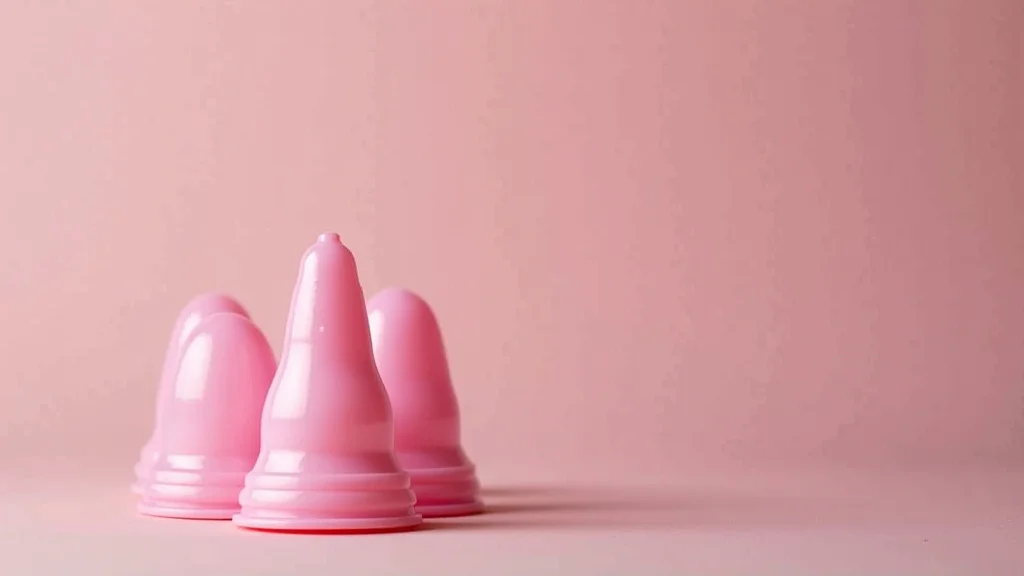
Picture this: you’re at the store, staring down the tampon aisle, feeling overwhelmed by the endless options. Sound familiar? Let’s face it, period products can be confusing. But what if there was a more comfortable, eco-friendly, and cost-effective solution? This post will explore menstrual cups, breaking down everything you need to know in a clear, easy-to-understand way. You’ll gain valuable knowledge, making your period a little less stressful. You’ll also learn the benefits and how to choose the right cup for you. Get ready to discover a new approach to managing your period with menstrual cups!
Key Takeaways
- Learn what a menstrual cup is and how it works.
- Discover the various advantages of using a menstrual cup.
- Understand the different types of menstrual cups available.
- Find out how to insert and remove a menstrual cup safely.
- Get tips on cleaning and caring for your menstrual cup.
- Address common questions about menstrual cups.
What Are Menstrual Cups? A Basic Overview
Menstrual cups are a fantastic alternative to pads and tampons, offering a different approach to period care. They are small, flexible cups, typically made from medical-grade silicone, rubber, or thermoplastic elastomers (TPE). Instead of absorbing blood like tampons or pads, menstrual cups collect it. They sit inside the vagina and create a seal to prevent leaks. The cup is removed, emptied, rinsed, and reinserted. This reusable design makes them a more sustainable and potentially cost-effective option.
How Menstrual Cups Function
The functionality of a menstrual cup is pretty straightforward. Once inserted correctly, it unfolds inside the vagina, creating a gentle seal against the vaginal walls. This seal prevents leaks and holds the menstrual flow. The cup collects the fluid rather than absorbing it, which is the key difference between cups and tampons or pads. Depending on the flow, a cup can be worn for up to 12 hours. This provides a longer wear time than many tampons, giving you more freedom throughout your day. Knowing how they work makes it easier to use them.
- Creating a Seal: The cup’s rim is designed to form a seal. This seal is crucial for preventing leaks. The cup should sit low inside the vagina, below the cervix. There may be some trial and error involved in getting the placement just right.
- Capacity: Menstrual cups come in different sizes, each with varying capacities. The capacity of a cup refers to how much menstrual fluid it can hold. Selecting the proper size for your flow is crucial for comfortable and secure use.
- Removal and Emptying: To remove the cup, you break the seal by gently pinching the base of the cup. Then, slowly wiggle the cup out. After emptying, rinse the cup and reinsert it.
Materials and Safety
The materials used to make menstrual cups are essential for safety and comfort. Medical-grade silicone is the most common choice. This material is hypoallergenic, meaning it is less likely to cause allergic reactions. It’s also smooth, flexible, and easy to clean. Other materials, like TPE and rubber, are sometimes used but may not be as durable or hypoallergenic. The manufacturing process of menstrual cups is closely regulated to ensure the product’s safety. Always choose cups from trusted brands that adhere to safety standards.
- Medical-Grade Silicone: This is a non-porous material, meaning that bacteria can’t penetrate. It is a very safe option. It is typically free of chemicals.
- TPE and Rubber Options: These materials are less common but are still used in some menstrual cups. TPE is a type of plastic that is flexible, while rubber cups are an alternative.
- Certification Standards: Look for cups that are FDA-approved or have undergone testing to ensure they are safe for use. These certifications provide reassurance.
Sizing and Selection
Choosing the right size menstrual cup is vital for a comfortable and leak-free experience. Most brands offer two main sizes: one for those who haven’t given birth vaginally or are under 30, and another for those who have given birth vaginally or are over 30. Your flow, the length of your cervix, and the strength of your pelvic floor muscles can also affect your sizing needs. Researching brands and reading reviews can provide insights. Don’t be afraid to try different sizes or brands until you find the best fit.
- Size Considerations: If you have a lighter flow, a smaller cup might be sufficient. If you have a heavier flow, a larger cup is ideal. Height and width matter, along with the cup’s capacity.
- Cervix Length: Some cups are designed to be longer or shorter to accommodate different cervical lengths. Checking your cervical length helps you determine the right fit for your body.
- Trial and Error: Selecting the best size cup may involve trying out a couple of different sizes. Many users find it takes some experimentation.
The Benefits of Using Menstrual Cups
One of the biggest advantages of a menstrual cup is its eco-friendliness. Unlike pads and tampons, which contribute to tons of waste, a menstrual cup is reusable. This reduces your environmental footprint. They’re also often more cost-effective over time. While the upfront cost may seem higher, you’ll save money compared to purchasing disposable products every month. Furthermore, many users report increased comfort and freedom with a cup, especially during activities like swimming and exercise.
Environmentally Friendly Choices
The environmental advantages of menstrual cups are significant. Traditional period products generate vast amounts of waste. Pads and tampons are often wrapped in plastic, and applicators add to the issue. The reusable nature of menstrual cups drastically reduces this waste. Think about how many pads and tampons a person uses throughout their life. A menstrual cup can replace thousands of these items. Less waste means less pollution. This can make a significant difference in reducing the overall impact on the planet.
- Reduction of Waste: One menstrual cup can replace thousands of disposable products. This has a substantial impact on the environment.
- Sustainable Practices: Menstrual cups contribute to a circular economy. The materials can be reused over and over again. This reduces the need to constantly make new products.
- Decreased Landfill Waste: By choosing a menstrual cup, you decrease the amount of waste that ends up in landfills. This helps extend the life of these spaces.
Cost-Effectiveness and Savings
While the initial cost of a menstrual cup can seem like an investment, it’s often more affordable in the long run. The costs of pads and tampons can really add up over time. If you use tampons for many years, you’ll spend quite a bit. A menstrual cup lasts for several years, potentially reducing your monthly spending significantly. This can also save you money on additional period products, such as panty liners or period underwear, that you may use with tampons.
- Long-Term Investment: Menstrual cups are designed to last for several years. This reduces the need to continually purchase period products.
- Savings Over Time: The savings can be significant. This makes a menstrual cup a smart financial decision for many.
- Reduced Monthly Expenses: You will be free from the constant need to buy disposable items. The cup eliminates the need for monthly costs.
Hygiene and Comfort
Menstrual cups are often considered more hygienic than tampons because they collect blood rather than absorbing it. This can prevent the bacterial growth that may occur with tampons, potentially lowering the risk of infections. The cup’s smooth surface and the lack of fibers also mean that they can be more comfortable, and often go unnoticed. Many users also enjoy the freedom of knowing they have a good leak-proof solution. This enables you to continue your normal activities, including sports, swimming, and more.
- Reduced Odor: Because the blood is contained and not exposed to air, the possibility of odor is minimized. This provides an additional layer of comfort and privacy.
- Freedom of Movement: Unlike pads, menstrual cups allow for active lifestyles. This is very good for swimming, working out, or other activities where pads or tampons might interfere.
- Reduced Risk of Infections: Menstrual cups may reduce the risk of Toxic Shock Syndrome (TSS). The collection rather than absorption of menstrual blood can also minimize bacterial buildup.
How to Use a Menstrual Cup: Insertion, Removal, and Care
Learning how to use a menstrual cup can seem intimidating at first, but with practice, it becomes second nature. There are different folding techniques to make insertion easier. The most common folds are the “C-fold,” the “punch-down fold,” and the “seven fold.” Inserting the cup at a slight angle towards your tailbone often helps with proper placement. Removal involves breaking the seal, and then gently pulling the cup out. Cleaning and caring for your cup properly are also crucial to its longevity and hygiene.
Insertion Techniques
Inserting a menstrual cup involves a bit of practice, but several techniques can simplify the process. A common approach is to use a fold to make the cup smaller for insertion. This also helps with the insertion of the cup. The C-fold involves flattening the cup and folding it in half to form a “C” shape. The punch-down fold involves pushing down on one side of the cup’s rim. The seven-fold (or origami fold) creates a very narrow insertion point. Applying a bit of water-based lubricant to the rim can also ease insertion.
- C-Fold: This is the most popular fold for beginners. Flatten the cup and then fold it in half.
- Punch-Down Fold: Press down on the top edge of the cup, so the cup’s opening is smaller.
- Angle of Insertion: Inserting at a slight angle towards your tailbone typically is most effective for proper placement.
Removal Process
Removing a menstrual cup requires a specific technique to ensure a comfortable and spill-free experience. First, it’s essential to relax your vaginal muscles. Locate the stem of the cup and gently pull down until you can reach the base. Then, to break the seal, gently pinch the base of the cup. If the seal is not broken, it will create suction and could make the removal more uncomfortable. Once the seal is released, slowly wiggle the cup out while keeping it upright to avoid spills. It is important to remove the cup in a place where you can easily empty and rinse it.
- Breaking the Seal: Gently pinch the base of the cup to release the seal before removal. This prevents discomfort and potential spills.
- Slow and Steady: Pull the cup slowly and steadily to avoid any discomfort. Take your time.
- Proper Positioning: Ensure the cup is upright when removing it to prevent spills. Tilt the cup slightly towards the vaginal opening.
Cleaning and Sterilization
Maintaining a clean menstrual cup is essential for both your health and the cup’s longevity. After each removal, empty the cup, rinse it with cold water, and then wash it thoroughly with warm water and a mild, unscented soap. At the end of your period, you should sterilize your cup. This can be achieved by boiling it in water for 5–10 minutes. Alternatively, you can use a sterilizing solution or a special menstrual cup sterilizer. Proper care ensures the cup remains in good condition and reduces the risk of infections.
- Rinsing and Washing: Rinse the cup with cold water first to prevent stains. Use warm water and a mild soap to wash it thoroughly.
- Boiling for Sterilization: Boil the cup in water for 5–10 minutes at the end of each period cycle.
- Storage: After cleaning, store your cup in a breathable pouch. This helps to protect it and keep it safe between periods.
Menstrual Cups: Tips for Beginners
New to using a menstrual cup? Don’t worry, it’s a process! Start by practicing you can empty and rinse the cup easily. If you encounter any problems, reach out to online forums. Most importantly, give yourself time. With practice, using a menstrual cup becomes second nature and very easy.
Practice and Patience
The first few times using a menstrual cup can require some getting used to. Many people find that inserting and removing the cup takes time and practice. Consider practicing the insertion and removal techniques before your period starts. This helps you become familiar with the process in a comfortable setting. The most important thing is to have patience. Give yourself time to learn and experiment until you feel confident. Don’t be discouraged by initial difficulties, it’s very normal.
- Practice Sessions: Try inserting and removing the cup even when you’re not on your period.
- Trial Runs: Get used to different folds and placement angles to find what works best.
- Patience is Key: Do not get discouraged if you don’t succeed on the first try. It’s a learning experience.
Troubleshooting Common Issues
Even after practice, you might experience a few issues with your menstrual cup. Leakage is a common concern. This could be due to an incorrect seal or the cup not being fully opened inside the vagina. Try reinserting the cup, making sure the cup fully opens and seals against the vaginal walls. If you have trouble removing the cup, relax your muscles and gently pinch the base to break the seal. For discomfort, ensure you have the correct cup size. Don’t hesitate to contact the manufacturer or a healthcare professional.
- Addressing Leakage: Make sure the cup has a good seal and that it’s fully open inside your vagina.
- Removal Difficulties: Relax your vaginal muscles and break the seal before attempting to remove the cup.
- Discomfort: Make sure you have the correct size cup. A different size or a different brand may feel much better.
Support and Community Resources
Many online resources and communities are available to support you. You can find blogs, YouTube channels, and social media groups where people share their experiences, and helpful tips. These resources can be especially valuable if you have questions or encounter problems with your cup. Don’t hesitate to ask questions. There’s a supportive community ready to help you out. Remember, you’re not alone in your menstrual cup journey.
- Online Forums: Find support and get advice from others using menstrual cups.
- YouTube Channels: Visual guides can demonstrate techniques for insertion, removal, and cleaning.
- Manufacturer Support: Contact the manufacturer if you have any questions or concerns about your specific cup.
Common Myths Debunked
Myth 1: Menstrual Cups Are Difficult to Use
Many think menstrual cups are complicated, but in reality, they’re not. While there is a learning curve, most find that with practice, using a menstrual cup is pretty easy. It only takes a bit of time to get used to the insertion, removal, and placement. Many users find it quickly becomes a natural part of their period routine. If you are having issues, reach out to online resources for tips or advice.
Myth 2: Menstrual Cups Can Get Lost Inside You
This is a common misconception, but a menstrual cup cannot get lost inside you. The vagina is not a bottomless pit; the cervix is at the top of the vagina. The cup cannot go past this point. The stem or base of the cup is designed for easy removal. Although you may need to reach a bit, the cup will always be within reach. It’s impossible for the cup to get lost or move anywhere in your body where you can’t access it.
Myth 3: Menstrual Cups Are Unhygienic
The idea that menstrual cups are unhygienic is not true. In fact, when used and maintained properly, menstrual cups are just as safe, if not safer than other period products. The cups collect menstrual fluid rather than absorbing it. This may help lower the risk of infections. Medical-grade silicone and TPE materials are non-porous. This means bacteria cannot live in them. Regular cleaning and sterilization help ensure that cups stay hygienic.
Myth 4: Menstrual Cups Are Only for Women Who Have Given Birth
While there are different sizes of cups, menstrual cups are not just for those who have given birth. There are cups for people of all ages and all stages of life. Many brands offer smaller sizes designed for younger users or those who have never given birth. The main factor in size is your flow. The size should be based on your cervix length, and the strength of your vaginal muscles. It’s about finding the right fit for your body, not your history.
Frequently Asked Questions
Question: How often do I need to empty a menstrual cup?
Answer: This can vary depending on your flow. However, most people can wear a menstrual cup for up to 12 hours. Those with heavier flows may need to empty it more often.
Question: Can I sleep with a menstrual cup?
Answer: Yes, you can sleep with a menstrual cup. This is one of the conveniences of using a cup compared to a tampon, for example.
Question: Is it okay to use a menstrual cup if I have an IUD?
Answer: It’s generally safe to use a menstrual cup with an IUD. However, it’s always advisable to consult with your healthcare provider to be sure.
Question: What if my cup leaks?
Answer: Ensure your cup is inserted correctly, creating a seal. Make sure it is fully opened inside your vagina. You might need to adjust the placement or try a different size or style of cup.
Question: Can I use a menstrual cup while swimming or exercising?
Answer: Absolutely, many people find menstrual cups ideal for swimming, exercise, and other activities. They provide a secure and leak-free experience. There are no restrictions.
Final Thoughts
Exploring menstrual cups can change the way you manage your period. These cups offer a different experience. They’re eco-friendly and potentially budget-friendly, and provide a longer wear time than tampons. Although there may be a slight learning curve, the comfort and freedom they provide make them well worth it for many individuals. Try the different insertion methods and find the right size to help create a perfect fit. Do not feel discouraged if you do not feel comfortable at first. With patience, you’ll be able to enjoy the many benefits they offer. You might even find yourself wondering why you didn’t try one sooner.